Valladolid, Mexico Travel Guide: Things to Do , Activities & Tips
First Impressions
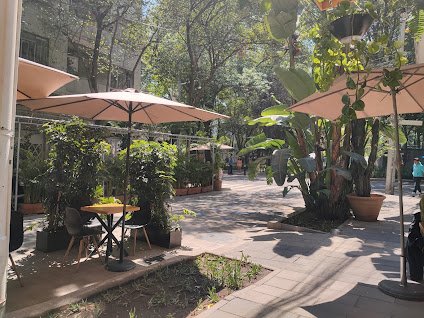
The historic center is compact and easy to explore on foot, with colorful buildings, parks, cafés and restaurants. The main reason many travelers visit, however, is the large number of cenotes surrounding Valladolid.
Where is Valladolid, Mexico ?
Why visit Valladolid ?
🌿 Swimming in cenotes
🏛️ Mayan archaeological sites
🌇 A traditional small Mexican city
🍴 Local food and cafés
🚗 Easy day trips around the Yucatán
📸 Some of the most photogenic cenotes in the region
The city itself is relatively small, but its location is what makes it particularly useful. There are numerous cenotes around Valladolid, while Chichén Itzá is also close enough for an easy day trip.
Best 10 to do around Valladolid
1. Swim in Cenotes Samulá & Xkekén
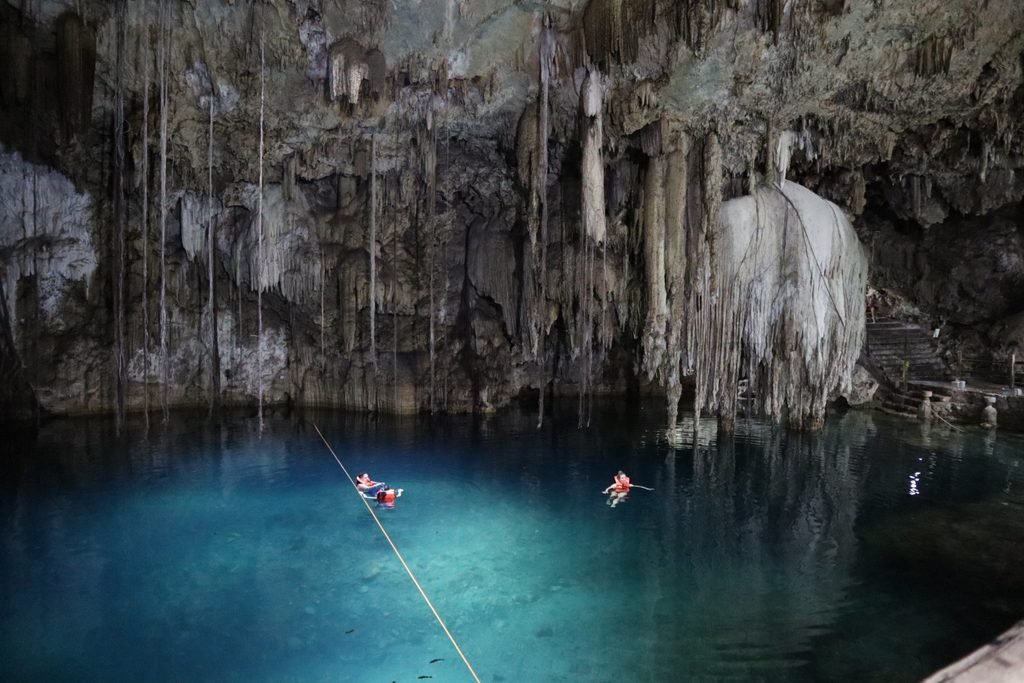
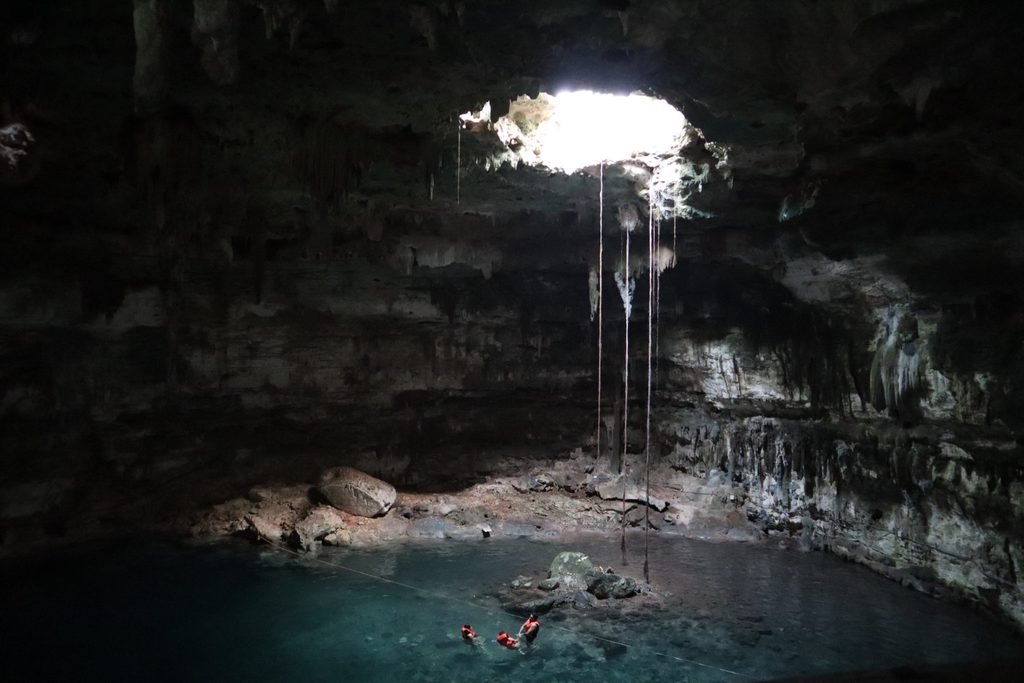
They are next to each other and can be visited with one ticket. Samulá is semi-open, with sunlight coming through an opening above the water, while X’Kekén is inside a cave, making the two a good introduction to the different types of cenotes found around Valladolid.
Both are fully organized, with entrance fees, changing areas and bathrooms. Life jackets are provided and guides are available for tips, although you don’t need one.
We spent around half an hour in each cenote. It was quite an experience to swim inside what is essentially a partially open underground cave — something you probably wouldn’t normally decide to do!
2. Visit Chichén Itzá
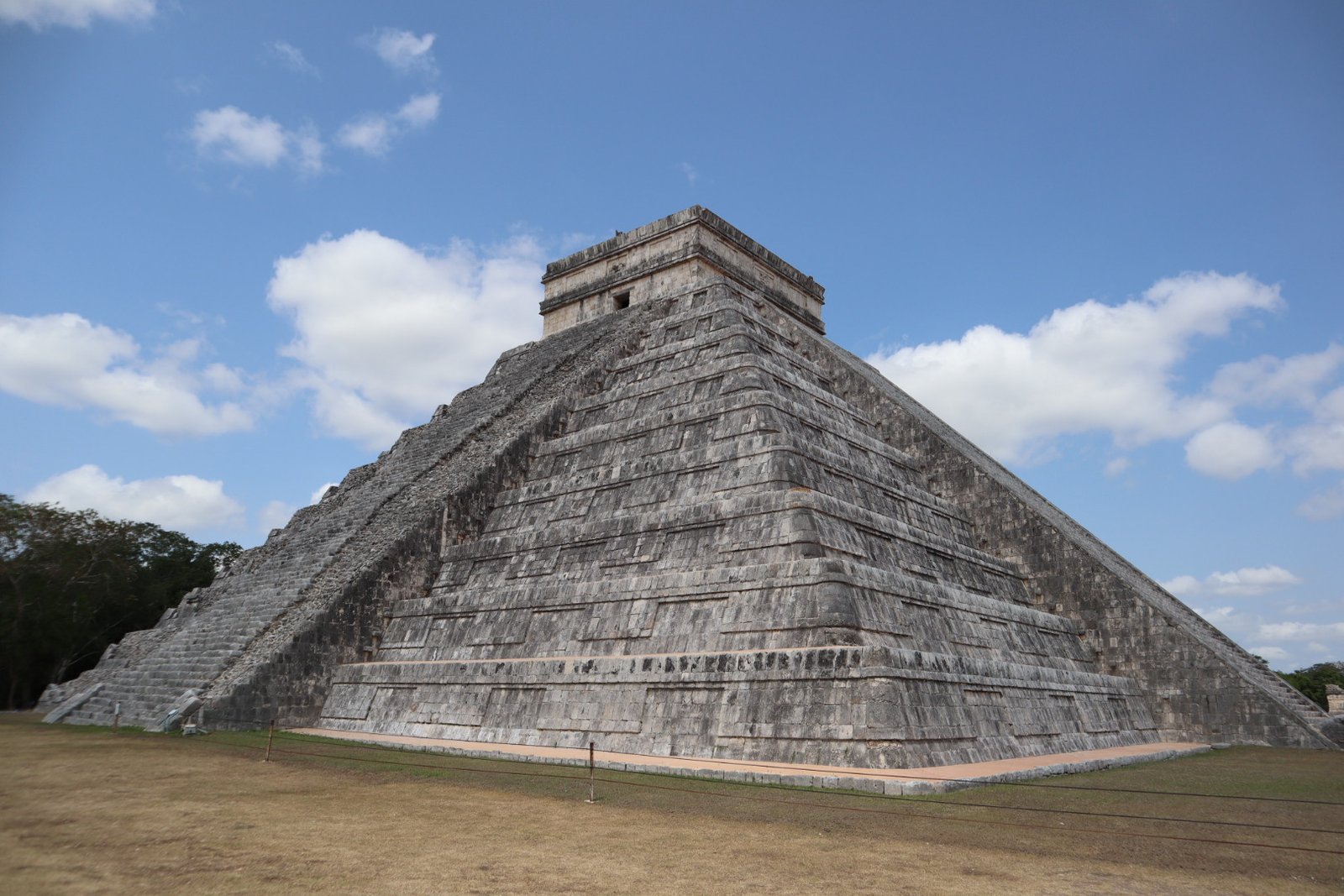
The ancient Maya city is best known for El Castillo, but the site also contains temples, plazas, ball courts and other structures. It is a UNESCO World Heritage Site and one of the modern Seven Wonders of the World. (UNESCO)
Its location makes it easy to combine with Cenote Ik Kil on the same day.
3. Swim in Cenote Ik Kil
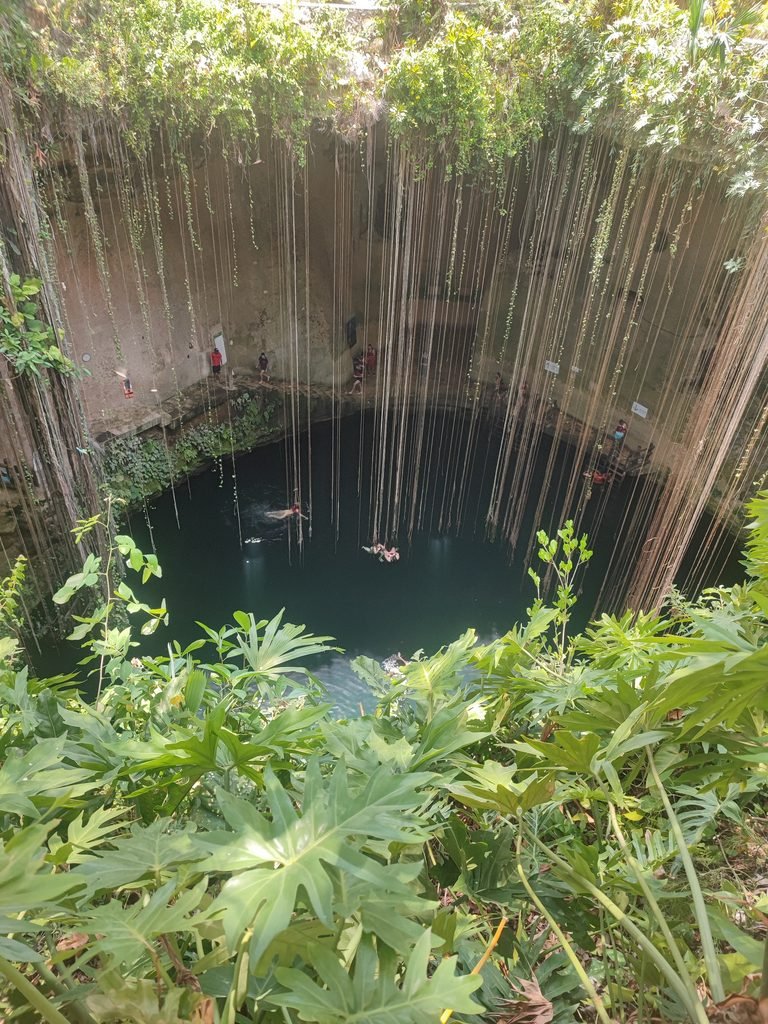
4. Visit Cenote Oxman
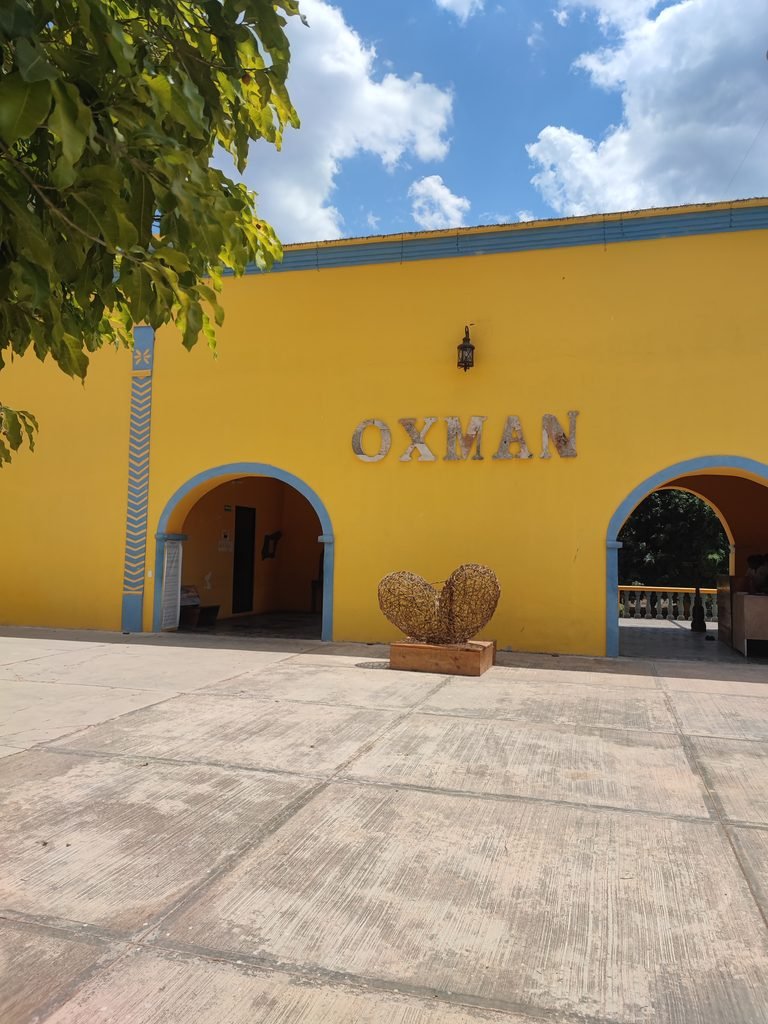
One of its main attractions is the rope swing, which lets visitors swing out over the water before jumping in.
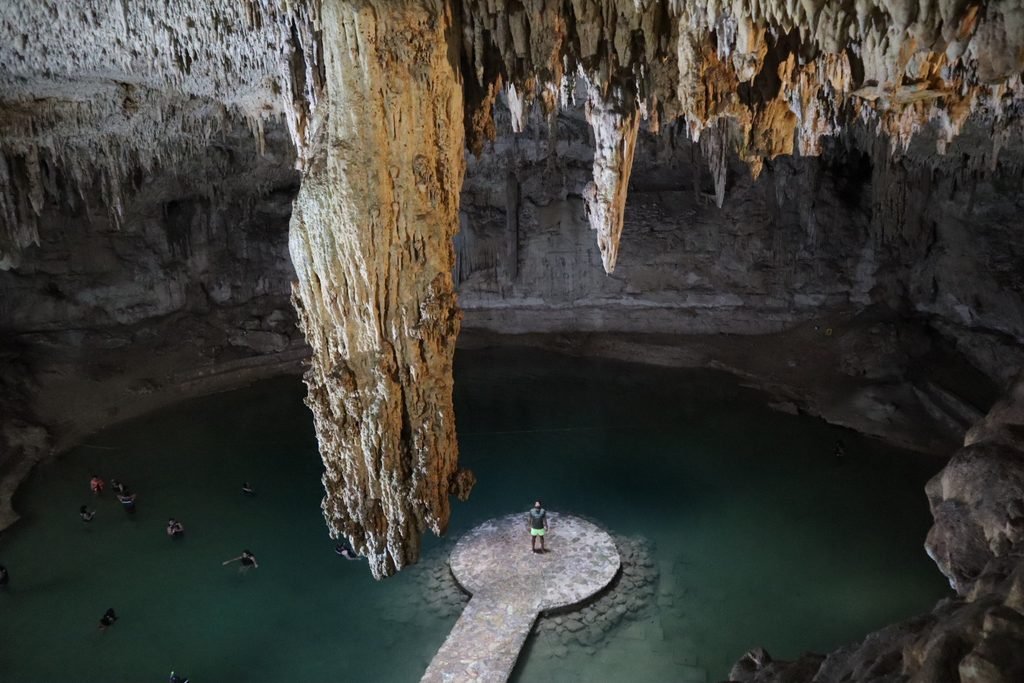
5. Take the Famous Photo at Cenote Suytun
The platform sits in the middle of the cave, while an opening in the ceiling allows sunlight to shine down onto it. The effect is particularly photogenic when the light is positioned correctly.
6. Explore Valladolid’s Historic Center
Start around the Zócalo and San Servacio Church, then wander through the surrounding streets.
The colorful colonial architecture, small parks and local cafés make simply walking around one of the easiest ways to experience the city.
7. Visit Cenote Zací
Cenote Zací is located close to the historic center and is a large, partially open cenote. It is an easy option if you don’t have a car or don’t want to spend a full day traveling between cenotes.
8. Go Cenote Hopping
Some are completely underground, others have large openings to the sky, and many have been developed with swimming areas and facilities.
If cenotes are a major reason for visiting Valladolid, consider setting aside one or two full days to explore them.
9. Visit Cobá
It is particularly known for Nohoch Mul, a large pyramid that is taller than El Castillo at Chichén Itzá. Cobá can be an alternative for travelers who want to visit Mayan ruins but aren’t particularly interested in Chichén Itzá.
10. Enjoy Valladolid’s Food & Cafés
Look out for traditional Yucatecan dishes such as cochinita pibil, lomitos and longaniza, as well as local drinks such as tepache.
Where to stay in or around Valladolid
The historic center is compact enough to walk around, and you’ll have restaurants, cafés and attractions nearby.
There are plenty of hotels, guesthouses and Airbnbs in and around the center.
If you have a rental car, you can also stay further outside the center and have easier access to the surrounding cenotes.
Accomodation Prices
As a general guide, you can expect:
Budget: around US$25–50 per night for simple rooms, guesthouses or basic apartments
Mid-range: around US$50–100 per night for comfortable hotels, apartments or boutique properties
Higher-end: US$100+ per night for boutique hotels, larger rooms, pools and more upscale facilities
Prices can change significantly depending on the season, weekends and how far in advance you book.
Search hotels in Valladolid
Our tip: if you’re staying only for a couple of nights and don’t have a car, paying a little more to stay centrally can be worthwhile. It saves you time and makes it much easier to explore Valladolid on foot.
What to eat and drink in Valladolid
Typical dishes to look out for include:
Cochinita pibil
Sopa de lima
Panuchos
Papadzules
Poc chuc
Salbutes
Marquesitas
Burrito Amor is a good option if you’re looking for something different from traditional Yucatecan dishes. The menu includes burritos, bowls and options suitable for vegetarian and vegan diets.
It is also a convenient choice for breakfast or a casual lunch.
Nena Nena is another restaurant we tried during our stay.
The service was slower than we expected, but the food was fresh and delicious. Their tepache was particularly good.
If you’re eating here, allow yourself a little more time rather than expecting a quick meal.
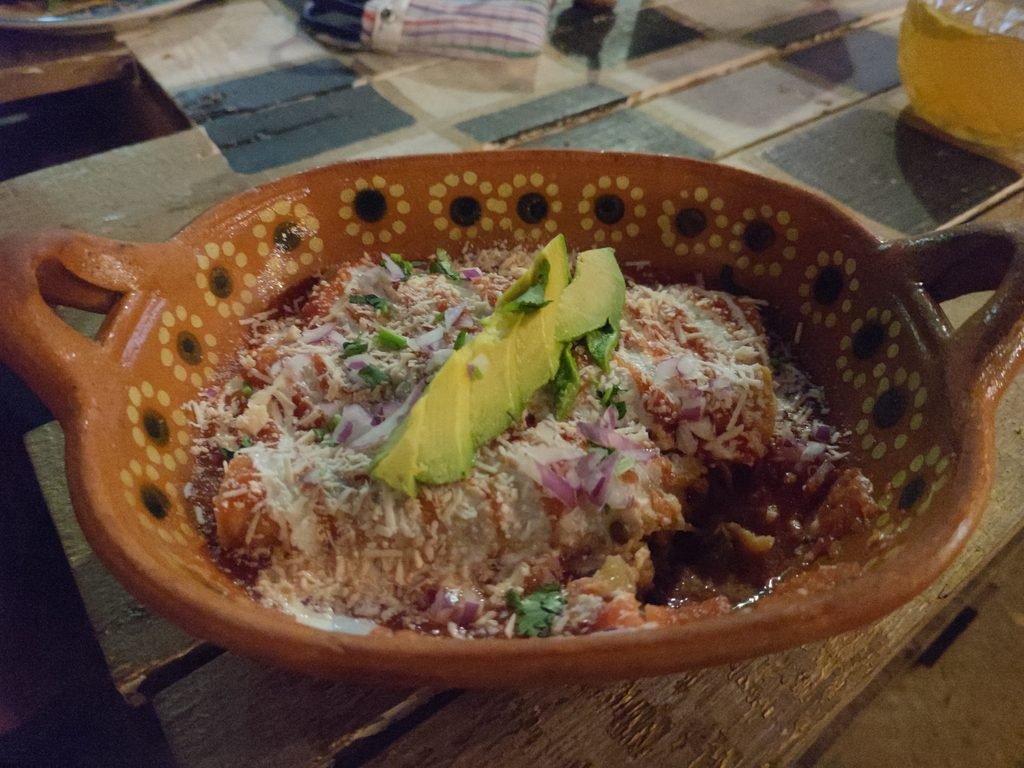
Traditional Yucatecan Food
For a more traditional meal, there are plenty of restaurants and smaller local eateries around the centre.
El Sazón de Valladolid focuses on Yucatecan and Mexican food, while IX CAT IK specialises in traditional Maya cuisine.
Don’t overlook the smaller loncherías either. They can be a good way to try everyday Mexican food without spending as much as you might at some of the more tourist-focused restaurants.
Transportation and how to get to Valladolid
Getting to Valladolid
You can reach it by ADO bus from places such as Cancún, Mérida and Playa del Carmen. The ADO bus station is also centrally located, which makes Valladolid convenient if you’re travelling around the Yucatán without a car.
If you’re travelling by car, Valladolid also works well as a stop between Mérida and the Caribbean coast.
Renting a Car
There are rental companies in Valladolid, although prices can vary, so it’s worth comparing options before booking.
We used a local rental company and the guy picked us up from our Airbnb and dropped us back afterwards, which was very convenient.
Search Valladolid car rentals
Getting around Valladolid
The historic centre is small enough to explore on foot.
Taxis are available, and colectivos are useful for getting to some of the cenotes and nearby destinations.
The main colectivo area is around Calle 41, although finding the exact departure point isn’t always obvious. Asking locally is often the easiest option.
Travel Tips for Valladolid
Start early. Cenotes and archaeological sites become much busier later in the day.
Bring swimwear. You will probably want to swim in at least one cenote.
Check cenote rules. Some places have restrictions on sunscreen or require showers before swimming.
Consider renting a car. It makes visiting several cenotes much easier.
Stay central without a car. The historic centre is convenient and walkable.
Don’t only visit the ruins. Valladolid itself is worth exploring.
Allow enough time. Two nights is possible, but more time gives you the chance to visit additional cenotes without rushing.
Final Thoughts – Is Valladolid worth visiting?
The city itself has a very different atmosphere from the Caribbean coast, while its location puts you close to a huge number of cenotes and several important archaeological sites.
If you only have a short amount of time, you can combine Valladolid with a few cenotes and either Chichén Itzá or Cobá. If you have more time, staying a little longer gives you the opportunity to explore more of the cenotes around the city.
For us, the cenotes were the highlight of the area, but Valladolid also gave us a nice change from the beach destinations we had been travelling through.
Save this Valladolid Travel Guide for later!
As one picture equals a thousand words, visit our Instagram for more images from Valladolid.
Our Diary
Day 1 – Cenotes Samulá and X’Kekén
After checking into our Airbnb in the afternoon, we wanted to visit a couple of cenotes close to town. Finding the colectivo station wasn’t as easy as we expected. There was a gate with lots of drivers outside on Calle 41, and after asking around, we eventually figured out where to go.
We took a colectivo to Cenotes Samulá and X’Kekén.
Both cenotes were very organised. You pay an entrance fee, there are guides around who work for tips, life jackets are available, and there are bathrooms and changing areas. You then walk down steps into the cenotes.
We found them impressive, especially because swimming in water inside a partly open cave isn’t necessarily something you would naturally think of doing.
The two cenotes also gave us a good impression of how different cenotes can look. We spent around 30 minutes at each before taking a colectivo back to Valladolid.
The total transport cost was around 100 MXN per person at the time, including the higher price on the way back because we were stuck at the cenote site. The cenotes were only around 3–4 km from Valladolid.
Day 2 – Chichén Itzá, Ik Kil, Oxman and Suytun
We rented a car early in the morning and drove to Chichén Itzá, which took around an hour.
Honestly, we found Chichén Itzá okay, but after visiting Teotihuacán, we weren’t as impressed as we expected to be. There were lots of people and the entrance fee felt quite high.
If you’re not particularly interested in archaeological sites, you might decide to skip it and spend more time exploring cenotes instead.
A few kilometres further on, we stopped at Cenote Ik Kil.
For us, it was similar to Samulá but felt even more impressive. We spent around 30 minutes swimming and taking photos before continuing.
After that, having a car made it easy to visit two more famous cenotes: Oxman and Suytun.
Oxman was already quite busy, but we had fun with the rope swing and enjoyed swimming there.
Suytun was a completely different experience. This is the famous Instagram cenote with the circular platform in the middle. We didn’t swim here. Instead, we waited in line twice for the chance to get a photo on the platform without other people around. The wait was worth it for us. The opening in the ceiling lets sunlight fall directly onto the central platform, creating the dramatic effect you see in photos.
We finished at Suytun in the evening, returned the rental car and went for dinner before continuing on to Tulum the next day.
Next stop… Tulum!