Tulum, Mexico Travel Guide: Beaches, Cenotes & Mayan Ruins
Tulum is famous for its beautiful beaches, Mayan ruins overlooking the Caribbean and countless cenotes. But it is also one of the more developed and touristy destinations in the region, and getting around can be more complicated than you might expect.
In this Tulum travel guide, you’ll find the best things to do, where to stay, accommodation prices, food, transportation, travel tips and our personal experience exploring Tulum.
Table of Contents
- First Impressions
- Where is Tulum?
- Why Visit Tulum?
- 10 Best Things to Do in Tulum
- Where to Stay in Tulum
- Accommodation Prices
- Eat and Drink in Tulum
- Transportation & How to Get There
- Travel Tips for Tulum
- Final Thoughts – Is Tulum Worth Visiting?
- Save This Guide for Later
- Our Diary
First Impressions of Tulum
Tulum felt very different from the smaller and less developed places we had visited along the Mexican coast.
The town itself is inland, while the famous beaches are several kilometres away. Between the two you’ll find roads, resorts, restaurants, beach clubs and plenty of development.
Tulum is beautiful, but it is also very touristy. The beach area is dominated in many places by hotels and beach clubs, which means that the Caribbean isn’t always as accessible or visible as you might expect.
For us, this made Tulum feel quite different from the more relaxed Oaxacan coastline. At the same time, the combination of beaches, cenotes and Mayan ruins makes it an interesting destination, especially if you have enough time to explore the surrounding area.
Where is Tulum?
Tulum is located on the Caribbean coast of Quintana Roo, in southeastern Mexico.
The town is inland, while the famous Tulum beaches and archaeological site are located along the coast. Cancún is roughly 130 kilometres to the north, while Playa del Carmen is closer and can be reached by road or bus.
Tulum is also an important base for exploring cenotes and archaeological sites in the surrounding area.
Why Visit Tulum?
Tulum is best known for three things: beaches, cenotes and Mayan ruins.
The archaeological site is particularly special because the ancient walled city sits directly above the Caribbean. INAH describes Tulum as a powerful coastal Mayan city with well-preserved buildings and mural paintings.
Beyond the ruins, there are numerous cenotes around Tulum, ranging from small open swimming holes to large cave systems.
Tulum can also be a good starting point for visiting other destinations along the Riviera Maya or further south towards Bacalar.
10 Best Things to Do in Tulum
1. Visit the Tulum Ruins
The Tulum archaeological site is one of the most recognisable Mayan sites in Mexico.
What makes it different from Chichén Itzá or Cobá is its location. The ancient city was built on the Caribbean coast, with the sea directly below the cliffs.
The site is open daily, with current official opening hours listed as 08:00–17:00 and last entry at 15:30. Entrance fees consist of several charges, so check the official INAH information before visiting as prices can change.
Official INAH information for the Tulum ruins
2. Spend a Day at the Beach
The beaches are one of Tulum’s main attractions.
The coastline is divided into different beach areas, and access depends heavily on where you’re staying and which road you take towards the coast.
Some northern beaches are close to the ruins, while the southern part of the coast is lined with resorts and beach clubs.
If you’re staying in Tulum Centro, don’t underestimate the distance to the beach. Having a bicycle, scooter or car can make the experience much easier.
3. Visit Playa Paraíso
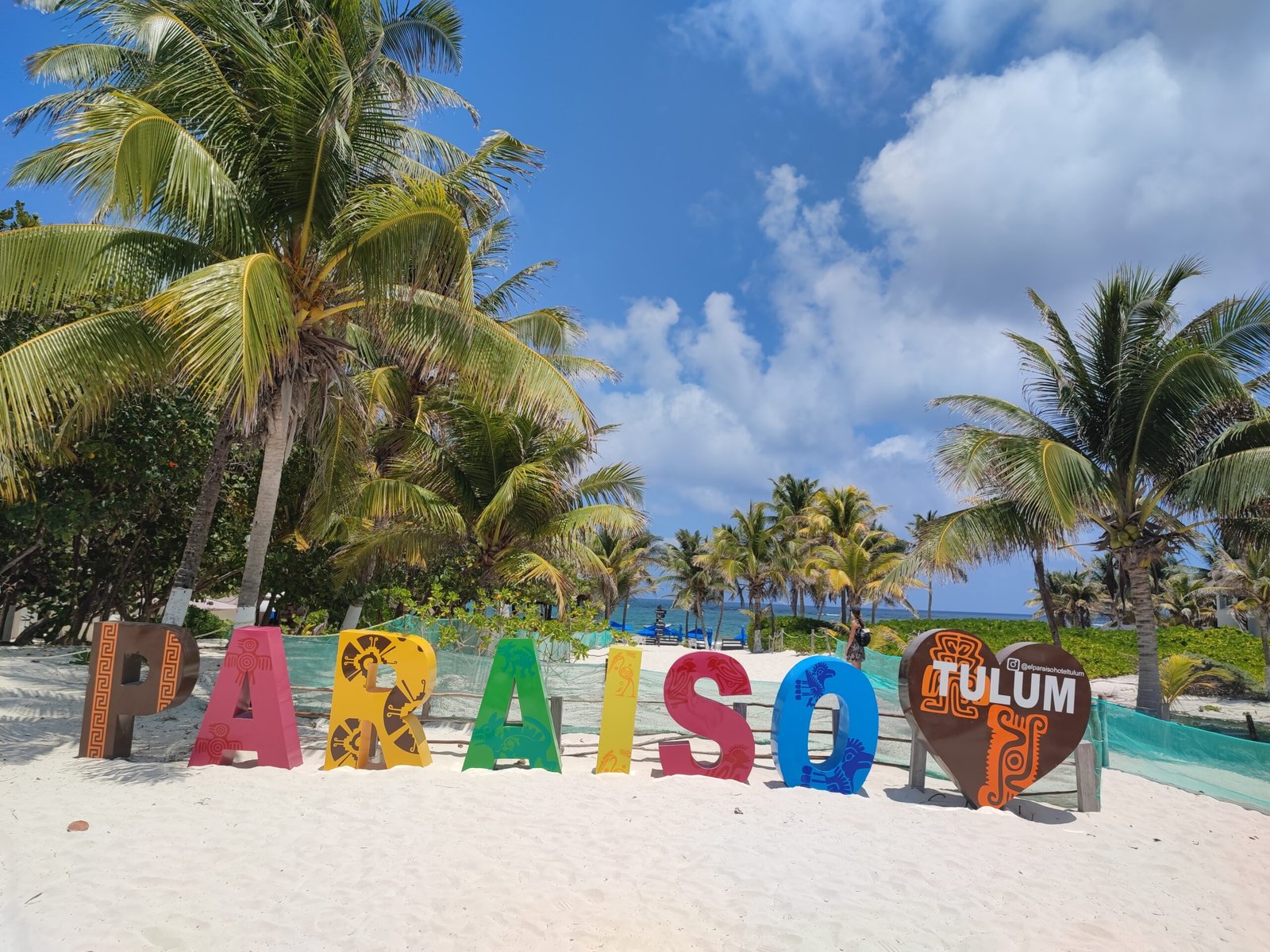
Playa Paraíso is one of the best-known beaches in Tulum and is located close to the archaeological site.
On a clear day, the combination of white sand, turquoise water and the nearby ruins makes this one of the most picturesque parts of the coast.
Beach conditions can vary considerably, however. Sargassum can affect the Caribbean coast during certain periods of the year, so don’t assume that the water will always look like the photos.
Tulum’s municipal authorities provide information about sargassum and beach conditions.
4. Swim in a Cenote
There are countless cenotes around Tulum, making the area a great destination if you enjoy swimming in natural freshwater pools.
You can find both open cenotes and underground cave systems.
Some of the best-known options include:
- Gran Cenote
- Cenote Calavera
- Dos Ojos
- Casa Cenote
- Cristalino
- Cenote Zacil-Ha
- Escondido
Prices vary considerably between cenotes. Current reported entrance fees range from around MX$150–500 for individual cenotes, while larger organised sites can cost more.
5. Visit Cenote Zacil-Ha
Cenote Zacil-Ha is a small open cenote located along the road towards Cobá.
It looks almost like a natural swimming pool, and the water is extremely clear.
It’s particularly good for swimming and underwater photography.
6. Visit Gran Cenote
Gran Cenote is one of the most famous cenotes around Tulum.
It combines open water with cave-like sections and is popular for swimming and snorkelling.
Because it is well known and close to Tulum, it can get busy, so arriving early can make the experience more enjoyable.
Current visitor reports put admission around MX$500, although prices can change and the site does not appear to publish a stable online tariff. Bring cash in pesos.
7. Explore Cobá
Cobá is another important Mayan archaeological site within reach of Tulum.
Compared with Chichén Itzá, Cobá generally feels less crowded and more spread out. The site is famous for its large pyramid and ancient network of roads.
It can be combined with a cenote visit, especially if you’re travelling by car.
8. Explore Tulum Centro
Don’t treat Tulum Centro as just somewhere to sleep.
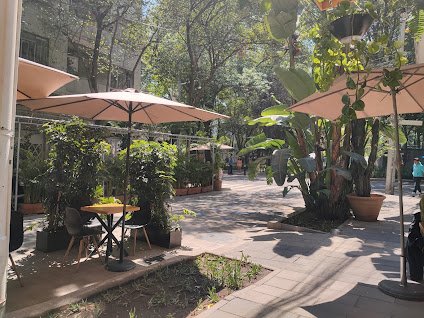
There are plenty of restaurants, cafés, bars and small shops around the town, and it gives you a very different impression of Tulum than the luxury beach area.
If you’re travelling on a backpacking route and want to keep costs down, staying in the centre can also make more sense than paying beach-area prices.
9. Explore More Beaches and Beach Clubs
Tulum has a huge variety of beach clubs and restaurants.
Some offer day passes or minimum-spend arrangements, which can be a convenient way to spend a full day at the beach if you want access to facilities such as sun loungers, bathrooms, food and drinks.
Prices vary widely, so check the conditions before committing to a beach club.
10. Take a Day Trip from Tulum
Tulum is well placed for exploring other destinations in Quintana Roo.
Depending on your itinerary, you can use it as a starting point for trips towards:
If you’re travelling slowly, there is plenty to explore beyond the immediate town and beach area.
Where to Stay in Tulum
One of the biggest decisions when visiting Tulum is whether to stay in Tulum Centro or near the beach.
If your main goal is a traditional beach holiday, staying near the beach makes the most sense. You’ll be closer to the sea, beach clubs and restaurants, although accommodation can be considerably more expensive.
If you’re travelling around Mexico as part of a longer trip, Tulum Centro can be much more practical.
The ADO bus station is in the centre, colectivos are easier to access, restaurants and shops are nearby, and you can use the centre as a base for visiting cenotes and other attractions.
If staying in Centro, we would look at the area around and below the main road rather than going too far away from the centre. A few blocks from the main street is still very walkable, including in the evening.
There are so many accomidation options, i guess you do not need any recommendation. Just to highlight, that there are many small and very decent hotels, like for example Kanté, right behind the ADO Bus station.
Accommodation Prices
Tulum is one of the more expensive destinations on a Mexico itinerary, particularly if you want to stay directly on the beach.
There is a large difference between accommodation in Tulum Centro and accommodation in the beach hotel zone.
As a broad current guide:
- Budget: around US$30–70 per night for hostels, simple rooms and basic apartments
- Mid-range: around US$70–150 per night for comfortable hotels, apartments and boutique properties
- Beach hotels/boutique stays: US$150–300+ per night
- Luxury: US$300+ per night, with some high-end beach properties considerably more expensive
Eat and Drink in Tulum
Tulum has many restaurants and cafés, but don’t come here expecting the same kind of traditional Mexican food experience you get in places such as Oaxaca or smaller Yucatecan towns.
The food scene is heavily influenced by international tourism, with vegan restaurants, health-focused cafés, beach clubs, Mexican fusion and international cuisine everywhere.
We tried La Vegan Taqueria, which we enjoyed, and later had a fish burrito that was also very good. Another meal we enjoyed was a fish burrito.
Because Tulum attracts travelers from all over the world, you’ll find almost every type of food. You can find:
- Mexican
- Vegan and vegetarian
- Smoothie and health-food cafés
- Seafood
- Pizza
If your priority is traditional Mexican cuisine, however, we’d personally give more time to destinations such as Oaxaca or Valladolid.
Transportation & How to Get to Tulum
Getting to Tulum
The ADO bus is one of the easiest ways to arrive in Tulum if you’re travelling around Mexico without your own vehicle.
The ADO bus station is centrally located, which is particularly convenient if you’re staying in Tulum Centro.
Getting Around Tulum
This is where things get more complicated.
Tulum is spread out, with the town and beach area several kilometres apart. If you want to explore independently, having some form of transport is extremely useful.
Your main options are:
- Bicycle
- Scooter
- Rental car
- Taxi
- Colectivo
There are bicycle paths that make cycling between the centre and beach possible, and bicycles can be a practical option if you’re staying in town.
Taxis are available but can be expensive, particularly compared with colectivos.
The municipal tourism authority recommends using qualified transport providers and certified vehicle rental agencies with insurance.
Colectivos
Colectivos are useful and very cheap for getting around the region and reaching some cenotes or even going to Playa del Carmen or Coba.
Don’t assume that a colectivo will take you directly to the beach you want to visit.
However, getting to the beach by colectivo (yes we did that, too) can be less straightforward, particularly if you’re travelling as a tourist rather than commuting to work in the hotel and resort areas. Use the lenks above to find the colectivo locations, but always ask the locals to cofirm.
Travel Tips for Tulum
- Choose your location carefully. Centro and the beach are very different places to stay.
- Have some form of transport. A bicycle, scooter or car makes exploring much easier.
- Don’t rely completely on colectivos for the beach. Routes can be less straightforward than expected.
- Expect expensive taxis. Short rides can add up quickly.
- Carry cash. Some cenotes and smaller businesses may not accept cards.
- Check sargassum conditions. Beach conditions can change and seaweed can affect swimming.
- Allow extra time for cenotes. There are many around Tulum, so don’t try to visit too many in one day.
- Book beach accommodation if the beach is your main priority. Staying in Centro is more practical for a multi-stop trip, but less convenient for spontaneous beach days.
- Don’t compare Tulum Centro and the beach zone as if they are the same place. They offer very different experiences.
Final Thoughts – Is Tulum Worth Visiting?
Tulum is an interesting destination, but for us it wasn’t the perfect fit for a short backpacking stop.
The combination of beaches, cenotes and Mayan ruins is impressive, and there is plenty to do around the area. However, the distance between Centro and the beach, the need for transport and the high level of development make it feel different from some of the smaller coastal destinations we visited in Mexico.
We could see Tulum making much more sense for a longer beach holiday, where you stay near the beach and spend several days enjoying the area, or for a longer stay combined with remote work, where you organize yourself with a cool apartment, and a transportation vehicle.
For a short stop among a longer backpacking route, we personally preferred the atmosphere of the less touristic Oaxacan coastline.
Save this Tulum Travel Guide for later!
As one picture equals a thousand words, visit our Instagram for more images from Tulum.
Our Diary
From Valladolid to Tulum
Again, we were on the ADO bus, this time heading from Valladolid to Tulum.
By this point in our trip, we had become so relaxed that we hadn’t even booked accommodation in advance. Since we had decided to stay for only a couple of days, we eventually chose to stay in Tulum Centro, close to the ADO bus station and the colectivo stops.
For us, it was the practical choice because we wanted to keep moving and didn’t want to lose time getting around.
Day 1 – Cenote Zacil-Ha and Tulum Centro
The weather wasn’t particularly good on our first day, and the beach was further away and not particularly easy to reach, so we decided to visit a cenote instead.
We went to Cenote Zacil-Ha.
It is a very small open cenote, almost like a little natural swimming pool. What makes it special is how incredibly clear the water is. If you have an underwater camera, it’s a great place to take photos.
In the evening, we walked around Tulum Centro and had dinner at La Vegan Taqueria, which we really enjoyed.
Day 2 – The Beach Adventure
The next day was supposed to be our beach day.
We hadn’t rented a car or motorbike because we were only staying for two days. We had read that renting a bicycle was probably the easiest way to get to the beach, but based on our experience with colectivos so far, we decided to try public transport again.
That turned out to be more complicated than expected.
Apparently, there wasn’t a straightforward colectivo for tourists going to Playa Paraíso and the public beaches in the north. The colectivos mainly serve the southern beach area and the workers travelling to the resorts.
Because there was still quite a lot of sargassum and we only had one day, we at least wanted to visit one of the beaches that looked best and where we could also see the Tulum ruins.
So we asked around.
And asked again.
Eventually, we ended up in a completely packed colectivo. We managed to get out somewhere in the southern part of the beach zone and then took a rather expensive taxi to a crossroads.
From there, we still had to walk for about 30 minutes to reach the beach.
Looking back, a bicycle ride from our hotel would probably have been much easier and would have taken around 20 minutes.
We ended up at Playa Paraíso Beach Club, which seemed like a reasonable deal for spending the day at the beach.
Unfortunately, the water wasn’t particularly nice because of the sargassum. The beach itself must be beautiful when conditions are better, though.
The way back became another little adventure. No colectivo seemed to be passing, so we started walking. Eventually, we managed to squeeze ourselves into one that already had around 15 locals inside, despite having space that probably felt suitable for about 10 people.
It was definitely not the most comfortable ride, but it got us back.
One thing we noticed during our stay was that a large part of Tulum’s coastline isn’t easily accessible or even visible because of the resorts and beach clubs.
That wasn’t exactly our style.
At moments like this, we found ourselves missing the much less touristy Oaxacan coastline.
We ended the day with a fish burrito before continuing our journey.
Next stop: Bacalar