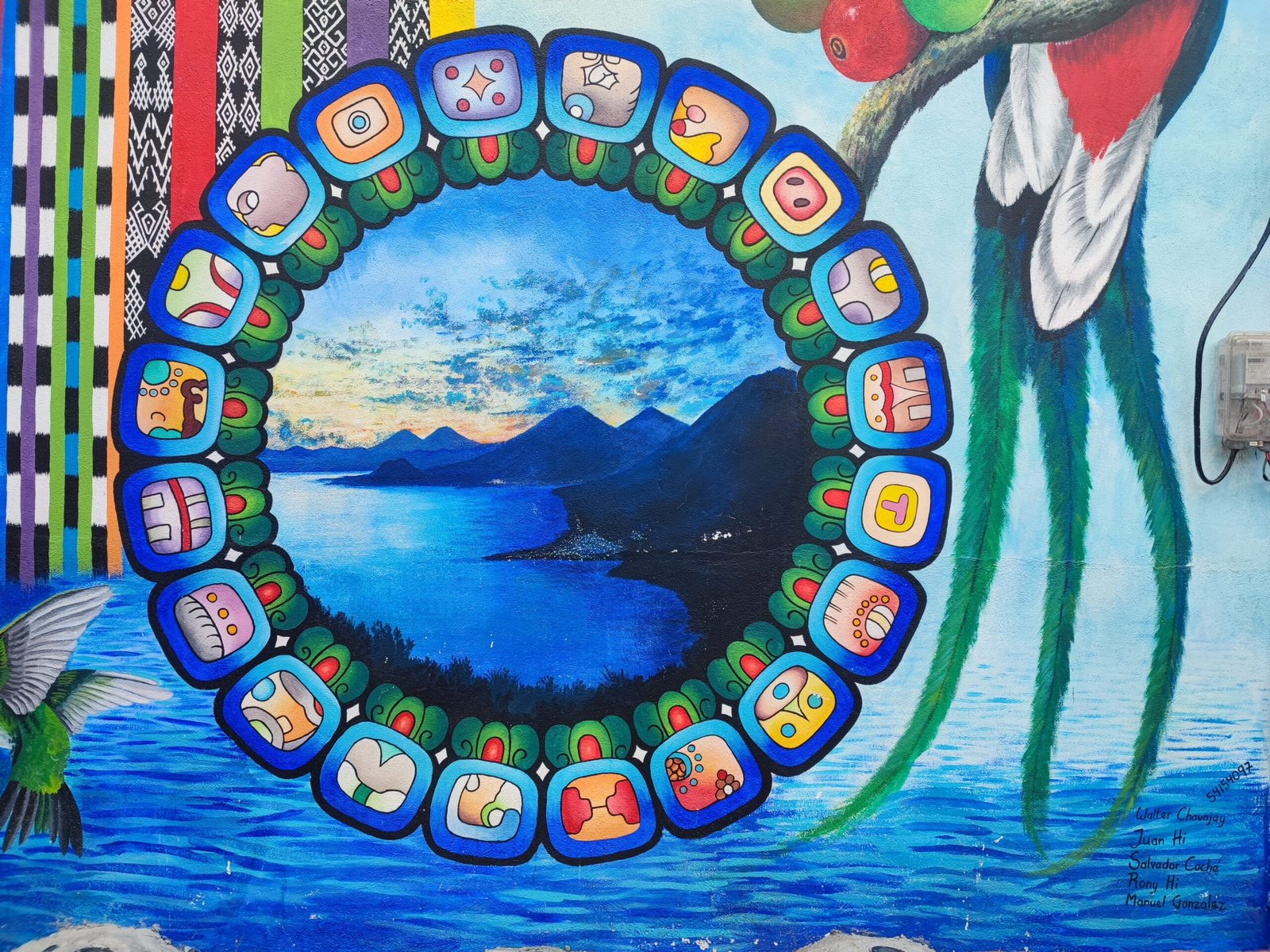
Lake Atitlan, Guatemala Travel Guide: Things to Do, Villages, Food
Lake Atitlán is one of the places in Guatemala we had heard about again and again. Surrounded by volcanoes and small villages, it is often described as one of the most beautiful lakes in the world. We came here expecting to understand what makes it so special.
Our experience at Lake Atitlán, however, was quite different from what we expected. We enjoyed some of the villages, especially San Juan La Laguna, but San Marcos and some of the others did not give us the magical feeling we had imagined. This is our honest guide to Lake Atitlán, including the places we liked, the places we didn’t, and what we would do differently next time.
First Impressions of Lake Atitlán
The road down towards lake Atitlán was long, winding and steep, and our shuttle was packed with young travelers heading towards San Pedro. We chose San Marcos La Laguna instead, because we were looking for somewhere quieter.
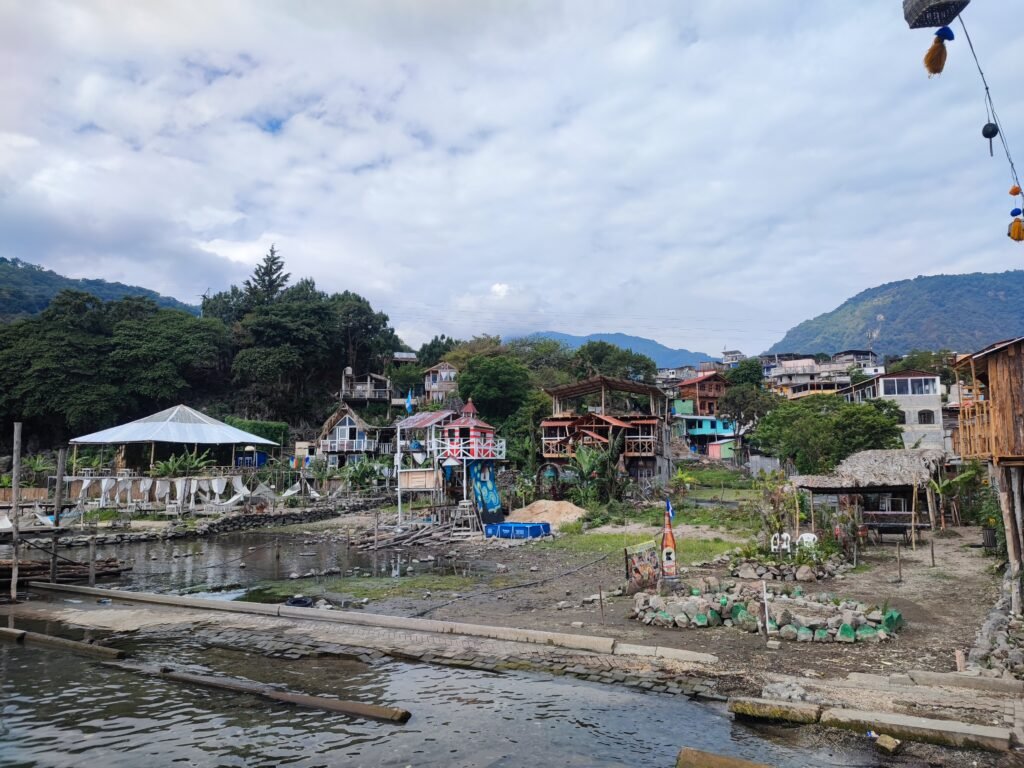
Our accommodation itself was lovely and the caretaker was extremely friendly, but the village didn’t really feel like the magical place we had imagined. Some areas looked rather unkempt, and the atmosphere was very different from what we had expected from all the beautiful pictures we had seen.
The exception for us was San Juan La Laguna. This was the village that really stood out and made the trip around the lake worthwhile.
Where is Lake Atitlán?
Lake Atitlán is in Guatemala’s western highlands, in the department of Sololá, at around 1,600 metres above sea level. It is surrounded by three volcanoes — Atitlán, Tolimán and San Pedro — as well as numerous villages with different Maya cultural traditions.
Panajachel is the main transport and tourism hub around lake Atitlán and is connected to the main road network. From there, many of the lakeside villages are easier to reach by boat than by road.
Some of the best-known villages include San Pedro La Laguna, San Juan La Laguna, San Marcos La Laguna, San Pablo La Laguna, Santa Cruz La Laguna, Santa Catarina Palopó, San Antonio Palopó and Santiago Atitlán.
The villages are not all alike. Different Maya communities, including Tz’utujil and Kaqchikel communities, live around the lake, and traditions, languages, clothing and local culture vary from village to village.
Why Visit Lake Atitlán?
Lake Atitlán is a destination where the landscape and local culture are the main attractions. The combination of the lake, volcanoes, colourful villages, traditional clothing, markets, handicrafts and mountain scenery makes the region very different from other parts of Guatemala.
It is also possible to have completely different experiences depending on where you stay. San Pedro is known for its backpacker atmosphere and nightlife, San Marcos has a reputation for yoga and wellness, while San Juan is particularly interesting for its murals, art, textiles and local culture. Panajachel is the main tourist and transport centre.
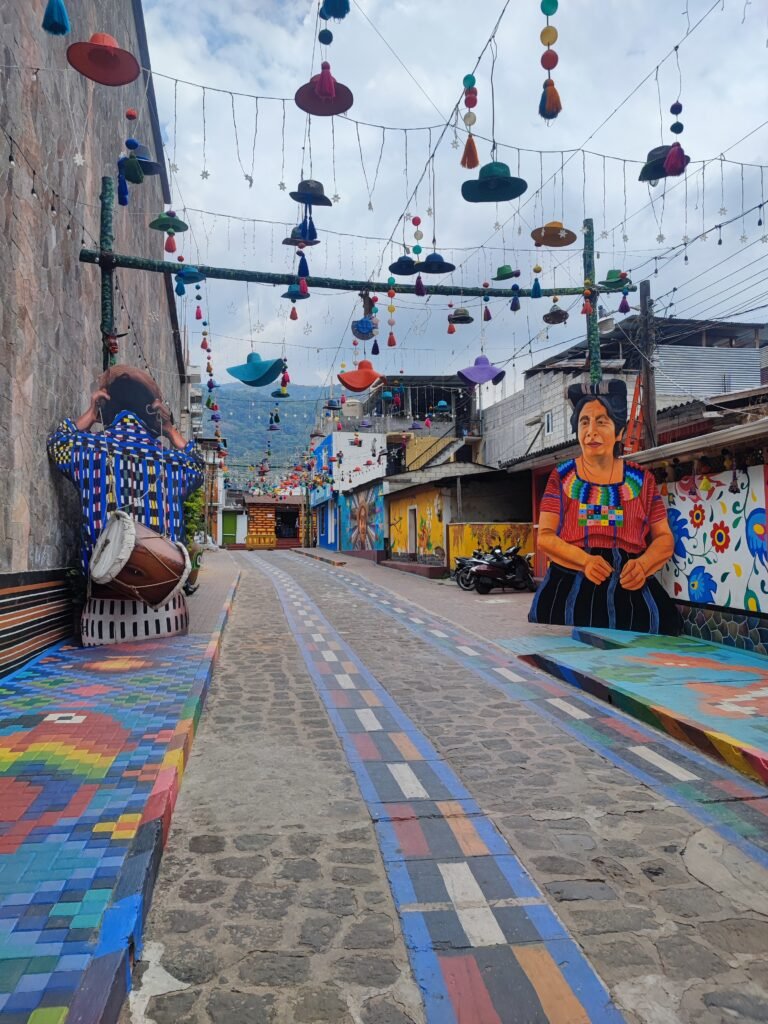
For us, though, the destination didn’t live up to the expectations created by its reputation. We would therefore recommend researching the individual villages rather than simply booking “Lake Atitlán” and assuming that every part of the lake will feel the same.
10 Best Things to Do Around Lake Atitlán
1. Explore San Juan La Laguna
San Juan was our favorite village around Lake Atitlán and the one we would most strongly recommend visiting.
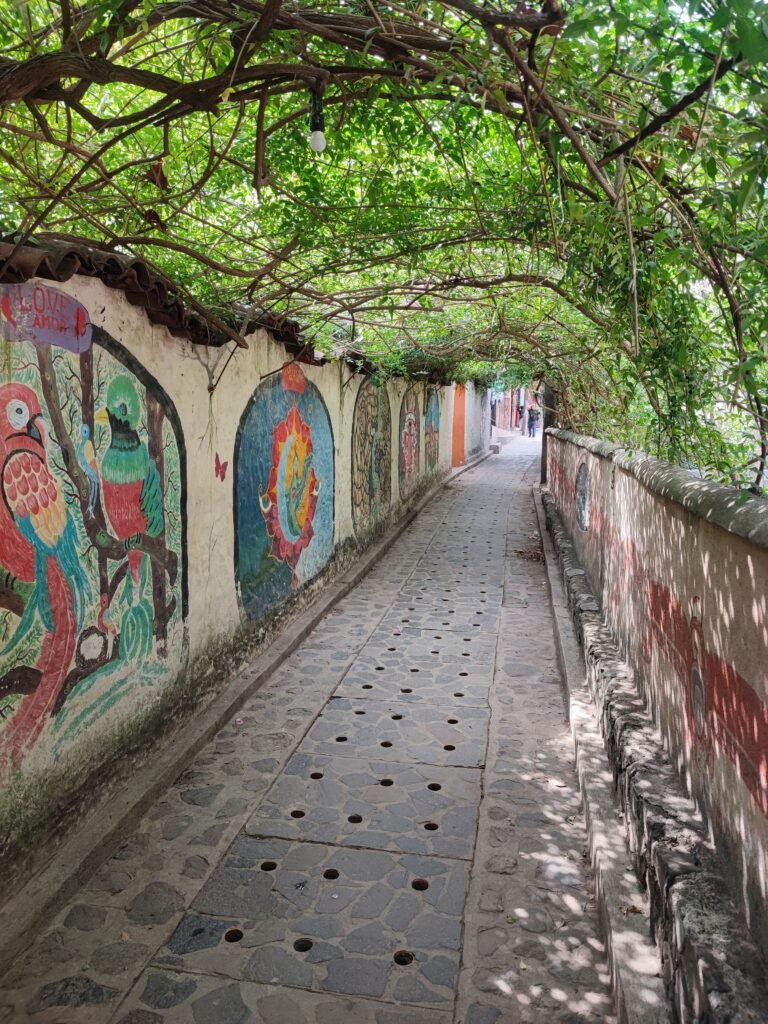
The village is known for its colourful streets, murals, art galleries, textile workshops, coffee and strong connection to Tz’utujil Maya culture. Walking around is really the main activity here — you can simply follow the painted streets, look at the artwork and visit the small local shops and galleries.
We particularly liked how personal some of the murals felt. One wall had been painted with a portrait of a local man’s father who had recently passed away, which made the art feel much more meaningful than simple tourist decoration.
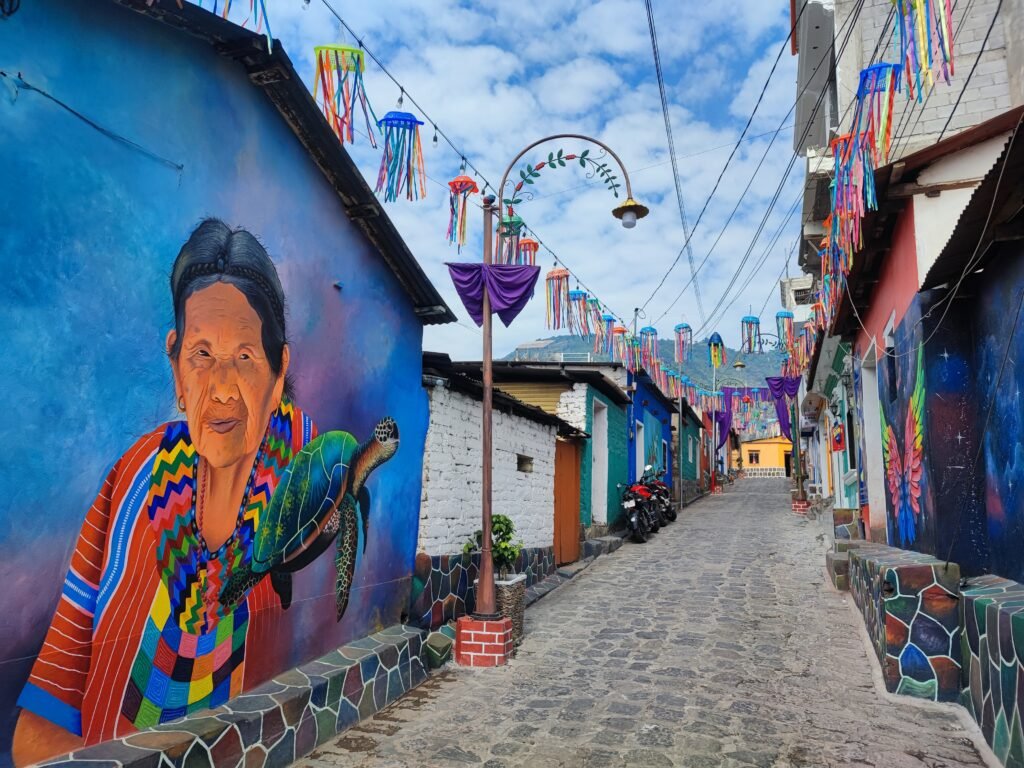
San Juan is also known for its coffee, so make sure to stop for a cup while exploring the village. There are viewpoints around the village where you can also enjoy panoramic views across Lake Atitlán.
For us, this was the place where we finally understood at least a little bit of the appeal of Lake Atitlán.
2. Hike San Pedro Volcano
If you are looking for a more active experience, the San Pedro Volcano hike is one of the main adventures around the lake.
The trail starts near San Pedro La Laguna and climbs to the summit at around 3,020 metres. INGUAT describes an ascent of approximately five hours and a descent of around three hours, with impressive views of Lake Atitlán and the volcanoes Atitlán and Tolimán from the top.
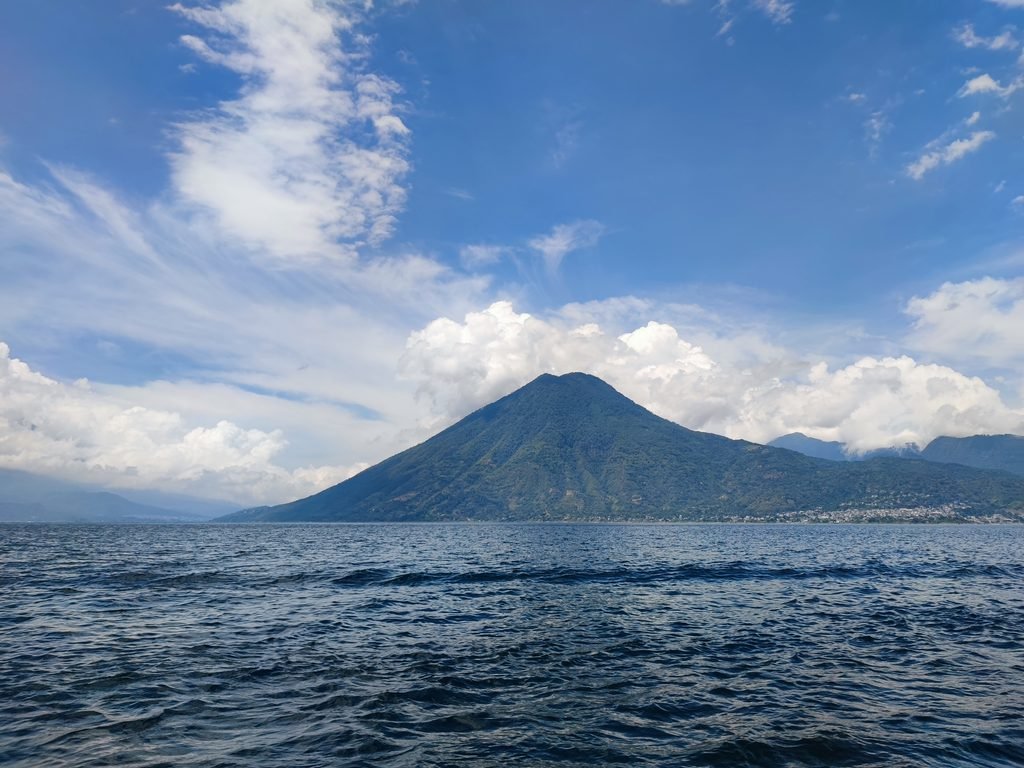
The route can be challenging because of the altitude and steep terrain. INGUAT also recommends going with someone who knows the route or with a guide, as parts of the trail can be difficult to find.
San Pedro has also had reports of robberies on hiking routes, so this is definitely not a hike we would recommend doing alone. Check current local security conditions and use a reputable local guide or organised group before setting off.
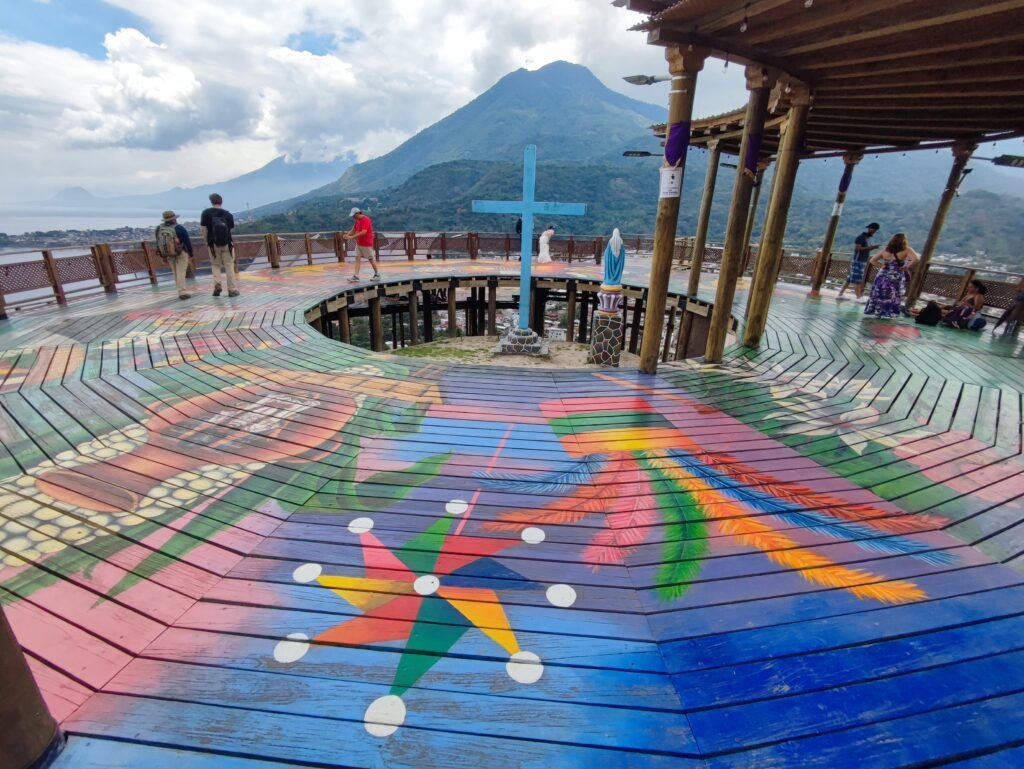
3. Visit the viewpoint Mirador Kaqasiiwaan
San Juan also has viewpoints where you can look over the lake and the surrounding volcanoes.
After spending time in the colorful streets, going up to a viewpoint gives you a completely different perspective of the village and Lake Atitlán.
4. Visit San Marcos La Laguna
San Marcos is one of the better-known villages around the lake and has become particularly associated with yoga, meditation, wellness and alternative travel.
We stayed here, expecting a peaceful and special atmosphere. For us, however, the experience was underwhelming. A lot of what we expected to find felt hidden behind accommodation, gardens and retreats, and we didn’t really connect with the village.
That doesn’t mean everyone will feel the same. If yoga, wellness retreats or a quieter backpacker atmosphere are what you are looking for, San Marcos may still be worth considering. Actually it is home to a well known yoga retreat called Eagle’s Nest. Meanwhile, several other retreats can be found in the hills of San Marcos.
5. Spend some time in San Pedro La Laguna
San Pedro is one of the livelier villages around Lake Atitlán and is particularly popular with younger backpackers.
It is known for nightlife, restaurants and access to the San Pedro Volcano hike. If you’re looking for a social atmosphere, this is one of the villages to consider.
If you hike the volcano, however, don’t treat it as a casual solo walk. Current travel guidance recommends using a qualified local guide for volcano and mountain hikes.
6. Visit Santa Catarina Palopó
Santa Catarina Palopó is another village worth adding to your itinerary, particularly if you enjoy colourful streets, local textiles and traditional Maya culture.
We didn’t have enough time to visit it ourselves, so this is one of the places we would leave on a future Lake Atitlán itinerary rather than pretending to have experienced it personally.
7. Visit San Antonio Palopó
San Antonio Palopó is another village we missed but had on our list.
It is known for its traditional clothing and local handicrafts, including painted ceramics. Older INGUAT material also highlights San Antonio Palopó as an important centre for hand-painted ceramics.
If you are interested in traditional culture and crafts, this is one of the villages I would consider adding.
8. Take a boat across Lake Atitlán
Taking a lancha, the small public boats used to connect the lakeside villages, is an essential part of travelling around Lake Atitlán.
We used them several times. They were supposed to be inexpensive, but we often felt that we were paying more than local passengers. This was one of the less enjoyable parts of our experience. Try to pay not more than the half of what they ask for. Or ask a local and compare. Nevertheless be prepared to pay a bit more anyway.
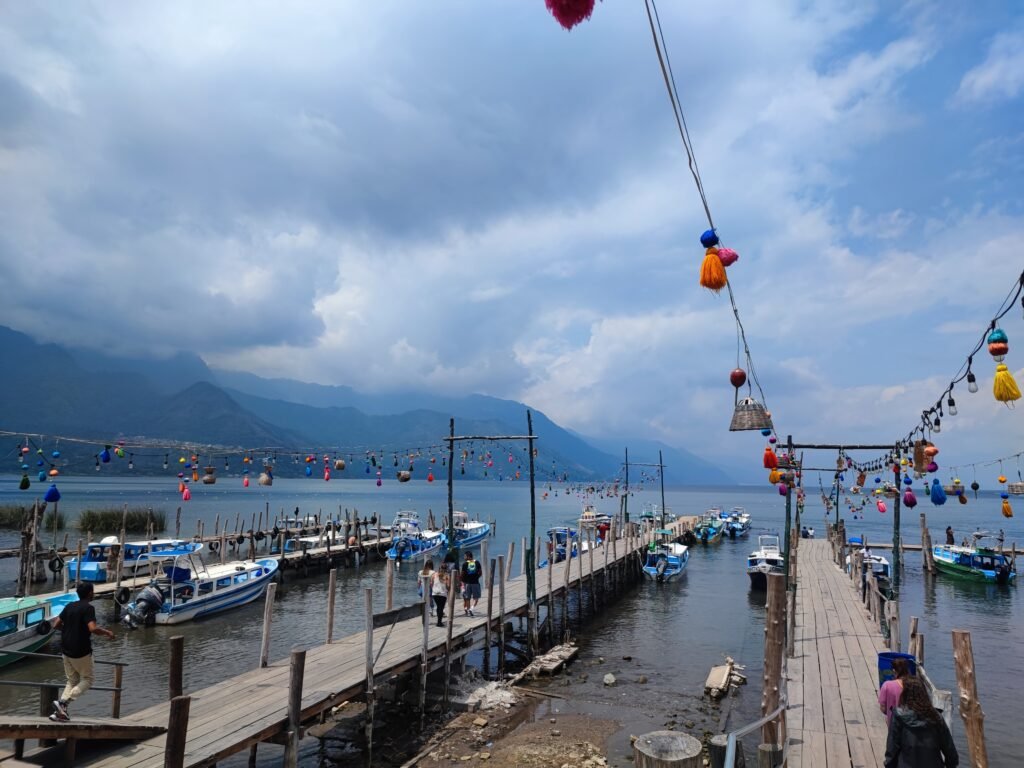
Boat services can also be limited later in the day, so don’t leave your return trip until the evening. Schedules vary by route, but boats generally operate during daylight and some routes have their last departures around the late afternoon or early evening. Taking a boat later in the evening is not recommended for safety reasons either.
9. Enjoy Lake Atitlán and its volcano views
Swimming, kayaking, paddleboarding and other water activities are possible around Lake Atitlán.
Personally, I wouldn’t choose this lake for swimming. The scenery is impressive, but the condition of the water and the surroundings didn’t make us want to spend time in it.
For us, the views were much more appealing than getting into Lake Atitlán.
10. Experience the Maya culture around Lake Atitlán
One of the strongest reasons to visit Lake Atitlán is the living Maya culture around its shores.
Traditional clothing is still worn in several communities, and each village has its own character, crafts and traditions. San Juan was where we felt this most strongly.
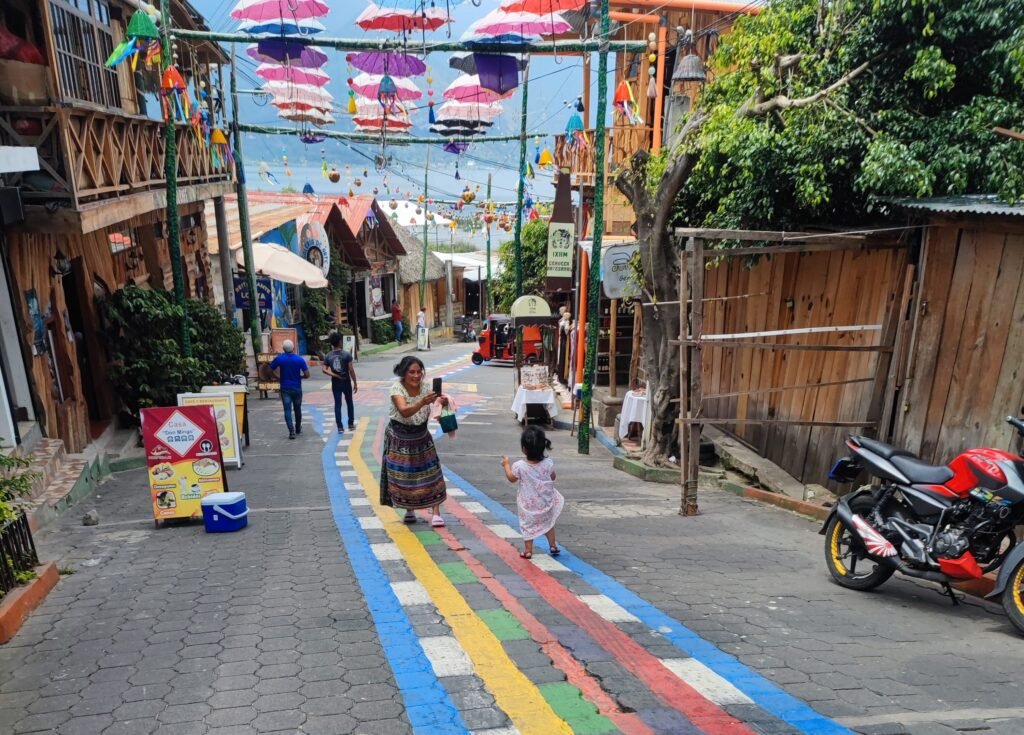
When visiting, remember that these are living communities rather than open-air museums. Be respectful when taking photographs, especially of people and children, and always ask permission before photographing someone closely.
Tours and Experiences
If you want to book tours, activities or unique experiences during your trip, GetYourGuide is worth checking. You can find everything from guided tours and day trips to boat trips, outdoor activities and cultural experiences.
Where to Stay at Lake Atitlán
There are many accommodation options around Lake Atitlán, from simple guesthouses and hostels to boutique hotels, eco-lodges and more luxurious lakeside properties.
Panajachel has one of the largest selections because it is the main tourist centre. San Pedro also has plenty of accommodation, particularly for backpackers, while San Marcos has a smaller but interesting selection focused partly on wellness and retreats. Booking listings currently show a particularly wide range in San Marcos, from basic rooms to higher-end boutique properties.
If we returned, we would personally look at San Juan La Laguna or one of the smaller villages rather than automatically choosing Panajachel, San Pedro or San Marcos.
The main thing to consider is transportation. A beautiful accommodation in a small village can be a great experience, but you need to check the boat connections and how you will arrive with your luggage.
Accommodation Prices around Lake Atitlán
Prices vary significantly depending on the village, season and type of accommodation.
As a rough current guide:
- Budget rooms/guesthouses: around US$20–40
- Comfortable mid-range: around US$40–80
- Boutique/lakeside properties: around US$80–150+
- Luxury properties: US$150–250+ per night
For accommodation, we usually check Booking.com and Airbnb to compare different options in the destination.
Food and Drinks at Lake Atitlán
Food wasn’t one of the highlights of our Lake Atitlán experience, although there are plenty of restaurants aimed at travelers.
In San Marcos, you will find several vegetarian and vegan options, reflecting the village’s wellness-oriented traveler community. We tried and like Samsara’s Garden.
San Pedro has a larger international food scene, including Mediterranean-style restaurants and plenty of options aimed at backpackers. There are also many nice cafes between Playa publica and Las Piedras.
For us, San Juan was more interesting. We particularly enjoyed the coffee and the opportunity to try more local food while walking around the village. Try the cafe Las Marias.
Panajachel has the widest choice of tourist-oriented restaurants, cafés and international food, but this also contributes to the busier atmosphere that we didn’t particularly enjoy. IF you are into a good piece of meat, you can try Guajimbo’s. For a more western or Healthy brunch you can try The Little Spoon.
Transportation around Lake Atitlán
Getting around Lake Atitlán requires a combination of road transport and boats.
From Antigua, we travelled by shuttle. The journey was long and involved a winding, steep road down towards the lake. Our shuttle continued towards San Pablo, where we changed to a tuk-tuk to reach San Marcos.
If you’re arriving from Guatemala City or Antigua, Panajachel is the main road-access point and is connected to the wider road network. INGUAT identifies Panajachel as the principal tourism and distribution centre for the Lake Atitlán region.
From Panajachel and other villages, lanchas connect many of the lakeside communities.
One important thing to remember is that boats don’t operate throughout the night. Exact schedules vary, but you should plan your arrival and departure around the last boat of the day rather than assuming you can simply catch one later.
Tuk-tuks are useful for short journeys within villages and for connecting places that are not directly accessible by boat. We would not recommend a Tuk-tuk for a longer route, though.
Money, Payments and Cards in Antigua
Cards are accepted at hotels and larger restaurants, but you will need cash to get around.
You will not find ATMs everywhere. Preferably come prepared. Always select local currency for the conversion.
For travelling in Guatemala, we recommend having a travel-friendly card such as Revolut or Wise, especially if you want to pay in pesos while keeping track of your spending.
Tipping is generally not expected here, unless you are in a more luxurious touristic or expat friendly cafe or restaurant. But you might want to round up or consider a 5 to 10% for good service.
Travel Safety & Essentials in Antigua
A little preparation can make travelling easier and give you some extra peace of mind. Here are some travel essentials worth considering before your trip.
Phone, Internet and SIM Card
The most convenient way to stay connected is through an e-sim. We typically use Airalo or Holafly, depending on our need for Data at a specific country or location. Alternatively you can also check out Saily or Ubigi. In case you do not want to use an e-sim, for Guatemala we recommend Tigo or Claro. Beware of scams, though, as you might get charged a higher price for an internet package.
Travel Insurance
Before travelling, it is worth checking your travel insurance options and making sure the policy covers the activities you plan to do. World Nomads offers travel insurance for travelers and different types of trips and activities. Always check the current policy wording, coverage limits and exclusions before purchasing.
Protect Your Belongings
For extra security when travelling, Pacsafe offers anti-theft backpacks, bags and travel accessories that can be useful when staying in hostels or travelling by bus and other public transport.
Choose a Good Backpack
For longer trips, a comfortable backpack can make a big difference. Osprey offers a wide range of travel and hiking backpacks, from smaller daypacks to larger packs designed for longer trips.
Protect Your Cards
If you carry several cards while travelling, an RFID-blocking wallet, like mywalit, can be a useful extra precaution. It also keeps your cards, cash and travel documents organized while you’re on the move.
Use a VPN and a Password Manager
A VPN can be useful when connecting to public Wi-Fi in airports, hotels, cafés or other shared networks. NordVPN is one option to consider if you want an additional layer of privacy while travelling. They also offer a password manager that can help you securely store and manage your passwords while on the road.
Safety
Lake Atitlan did not feel particularly safe, especially at night. We did not have any issues, though. We were also informed, that we should avoid using any boats during the night. San Pablo La Laguna is less touristic and you might feel less welcome there. Finally beware of possible robberies along various hikes. Read reviews and ask the locals. Prefer to hike in larger groups or with a trusted local guide.
Travel Tips for Lake Atitlán
Plan your boat journeys. Don’t arrive at a pier late in the day without checking the last departure.
Carry cash. Smaller villages and boats may not accept cards, and having smaller notes can make paying for transport easier.
Choose your village carefully. Lake Atitlán is not one single experience. San Pedro, San Marcos, San Juan and Panajachel have noticeably different atmospheres. Avoid San Pablo as it is the least touristic one.
Consider San Juan if you want culture and colour. For us, it was by far the most interesting village we visited.
Don’t assume every village will feel welcoming to tourists. We had a different experience in some places, and the atmosphere varied considerably from one community to another.
Be careful after dark. We didn’t feel comfortable walking around the lake area late at night. Current travel guidance also recommends caution with crime in Guatemala and advises travellers to use qualified guides for hikes and volcanoes.
Don’t hike volcanoes alone. In particular, take current local security advice seriously when considering the San Pedro Volcano hike.
Ask before taking photographs. Traditional clothing is part of everyday life for many local people. Treat people as people, not as tourist attractions.
Give yourself enough time. The lake looks compact on a map, but the mountains, winding roads and boat connections mean moving between villages can take longer than expected.
Final Thoughts about Lake Atitlán
Lake Atitlán was one of those places where our expectations were much higher than our actual experience.
We understand why so many travelers love it. The landscape is spectacular, the volcanoes are impressive and some of the villages have beautiful traditions, art and scenery.

For us, however, the overall experience didn’t feel as magical as we had expected. San Marcos didn’t connect with us, Panajachel felt too loud and touristy, and we found some of the transport frustrating.
San Juan La Laguna was the exception. Its colourful streets, murals, traditional clothing, local art and coffee made it the village we enjoyed most.
If you only have a few days in Guatemala, we would personally consider whether Lake Atitlán fits your travel style before automatically adding it to your itinerary. Other places in Guatemala — such as Cobán, Flores or the Pacific coast — may offer a completely different experience.
But if we are in the area again and have sufficient time, we would definitely give it a second try. Maybe we just did not spend enough time to start enjoying it there.
Save this San Marcos & Lake Atitlán Travel Guide for later!
As one picture equals a thousand words, visit our Instagram for more images from Lake Atitlán and our Guatemala trip.
Our Diary
Arriving at Lake Atitlán
After our week in Antigua, we were ready for the next part of our Guatemala adventure.
We had read about Lake Atitlán many times before coming to Guatemala. The pictures showed a huge blue lake surrounded by volcanoes and small colourful villages, and the destination had almost a mythical reputation.
We booked a shuttle from Antigua to San Marcos. The journey took us down a long, winding and steep road towards the lake.
The shuttle was packed with Israeli youngsters, most of whom were heading towards San Pedro. During the journey we learned that there is a strong Israeli traveller community in San Pedro, which apparently attracts a lot of young backpackers.
We had originally considered San Pedro too, but decided that San Marcos sounded more like what we were looking for: quieter and more relaxed.
From San Pablo to San Marcos
The shuttle dropped us in San Pablo and from there we continued by tuk-tuk.
San Pablo didn’t make the best first impression on us. It felt very different from the tourist-friendly places we had visited in Guatemala before, and we were told that it was not a particularly easy place for tourists.
Eventually we arrived in San Marcos.
Our accommodation was actually nice, and the caretaker was incredibly friendly and helpful. Unfortunately, that was probably the highlight of our arrival.
We had expected to immediately understand what everyone meant when they talked about the magic of Lake Atitlán.
We didn’t.
Our time in San Marcos
Instead, we saw villages that sometimes looked rather unkempt and a lake that didn’t look particularly clean to us.
San Marcos was also strange in a way we hadn’t expected. There were lots of foreigners around, but at the same time we often felt that the interesting places were hidden behind walls, gardens, retreats and accommodation.

Maybe we simply chose the wrong place or the wrong time.
Either way, we didn’t connect with San Marcos.
Discovering San Juan
Then we visited San Juan La Laguna.
This was completely different.
San Juan felt colorful, local and alive. Many of the streets and walls were painted, and traditional clothing was much more visible.

We remember one particular painting very well: a local person had painted a portrait of his father on the wall of his house after losing him. It was one of those details that made the village feel personal rather than simply decorated for tourists.
We also found a viewpoint with beautiful panoramic views across the lake.
And then there was the coffee.
San Juan is known for its coffee, and sitting down with a good cup while looking around the village was one of our favorite experiences around Lake Atitlán.
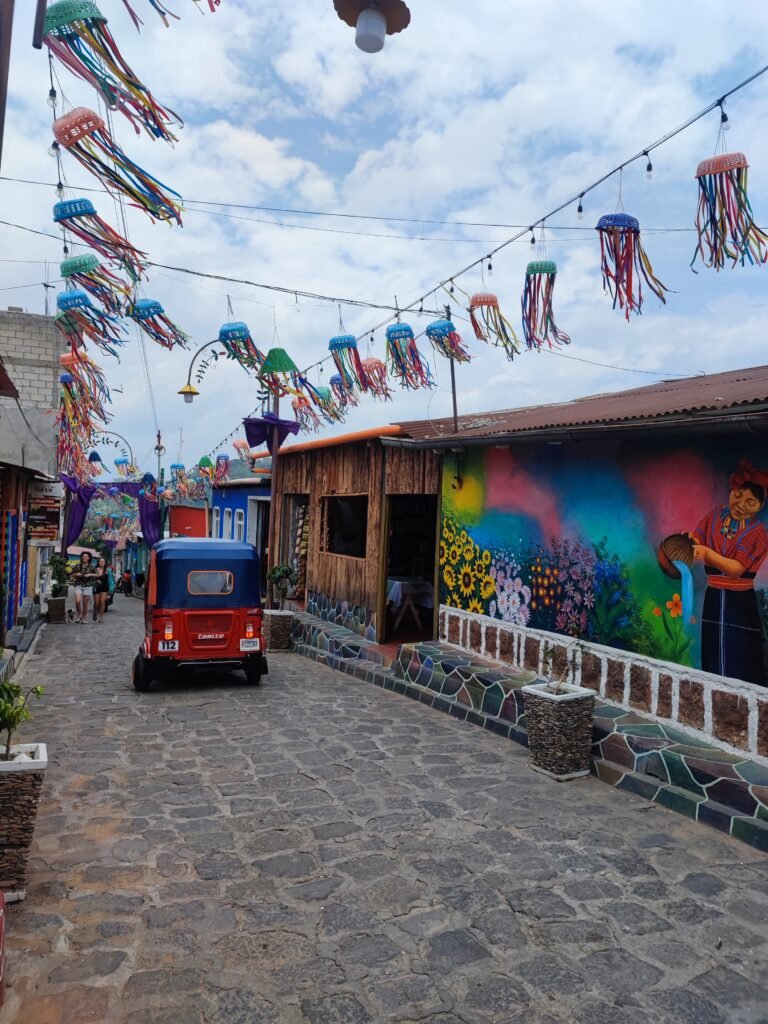
This was the place where we finally understood at least a little bit of the appeal of the lake.
The villages we didn’t see around Lake Atitlán
There were several other villages we would have liked to visit, especially Santa Catarina Palopó and San Antonio Palopó.
Santa Catarina is known for its colorful streets and traditional clothing, while San Antonio is another village where traditional Maya culture remains very visible.

Unfortunately, we simply didn’t have enough time to see everything.
One night in Panajachel
Eventually we had to spend one night in Panajachel before travelling back towards Guatemala City.
After the quieter villages, Panajachel felt loud and busy to us.
It is clearly the main tourist and transport centre of Lake Atitlán, so it makes practical sense to stay there if you’re travelling through the region. But as a place where we would choose to spend several days, it wasn’t for us.
Leaving Lake Atitlán
When we left Lake Atitlán, we were a little disappointed.
The landscape itself is beautiful, but the destination as a whole didn’t become one of our favourite places in Guatemala.
San Juan was the exception and remains the place we remember most positively.
Looking back, we probably would have preferred to spend those few days somewhere else in Guatemala — perhaps in Cobán, Flores or on the Pacific coast — or take the popular route from Quetzaltenango towards San Pedro.
Sometimes a destination can be beautiful and still simply not be your place. And that’s exactly how we felt about Lake Atitlán.
Next Stop… Guatemala City