El Salvador Travel Guide: Things to Do, Food and Tips
After spending two months travelling through Mexico and Guatemala, we felt a little more comfortable becoming adventurous and decided to take the bus from Guatemala to El Salvador. We didn’t really know what to expect, but the trip turned into an interesting mix of colorful villages, chicken buses, coffee, rain, unexpected road adventures and a few places that we probably wouldn’t rush back to.
In this El Salvador travel guide, you’ll find the best things to do, where to stay, what to eat, how to get around and our personal experience travelling through the country. Due to its small size, we decided to publish one guide for the whole country.
First Impressions
Our first impression of El Salvador was a mix of curiosity and uncertainty. After two months on the road, crossing another border by bus felt like the next little adventure.
The country surprised us in several ways. We met many friendly and welcoming Salvadorians, felt safer than we expected in several places and enjoyed travelling through the small towns of the Ruta de las Flores.
At the same time, not every destination impressed us. Some places felt very quiet, and San Salvador and La Unión didn’t offer as much as we had expected.
For us, the highlight was definitely the Ruta de las Flores, where travelling between the small mountain towns by local bus became part of the experience itself.
Where is El Salvador?
El Salvador is the smallest country in Central America and is located on the Pacific coast. It borders Guatemala to the west and Honduras to the north and east, while the Pacific Ocean lies to the south.
Despite its small size, El Salvador offers quite a variety of landscapes. You can find volcanic mountains, coffee-growing regions, colonial towns, waterfalls and Pacific beaches, including the famous surfing destination of El Tunco.
The country is particularly interesting for travellers who want to combine outdoor activities, local culture, coffee and surfing without having to travel huge distances between destinations.
Why Visit El Salvador?
El Salvador is a great destination if you want to combine volcanoes and mountain landscapes with coffee plantations, the colourful Ruta de las Flores, surfing and Pacific beaches. You can also experience local life by travelling on chicken buses, explore small mountain towns, enjoy excellent coffee and traditional Salvadorian food, and discover the country’s beautiful coastal landscapes.
The Ruta de las Flores is one of the country’s best-known tourist routes, connecting towns including Juayúa, Apaneca, Ataco, Salcoatitán and Nahuizalco. The region is known for mountain scenery, coffee, cafés, local food, crafts and outdoor activities.
Best 10 Things to Do in El Salvador
1. Explore the Ruta de las Flores
The Ruta de las Flores was the main reason we enjoyed travelling through western El Salvador.
This scenic route passes through several small mountain towns, each with its own atmosphere. The official tourism route includes destinations such as Juayúa, Apaneca, Ataco, Salcoatitán and Nahuizalco.
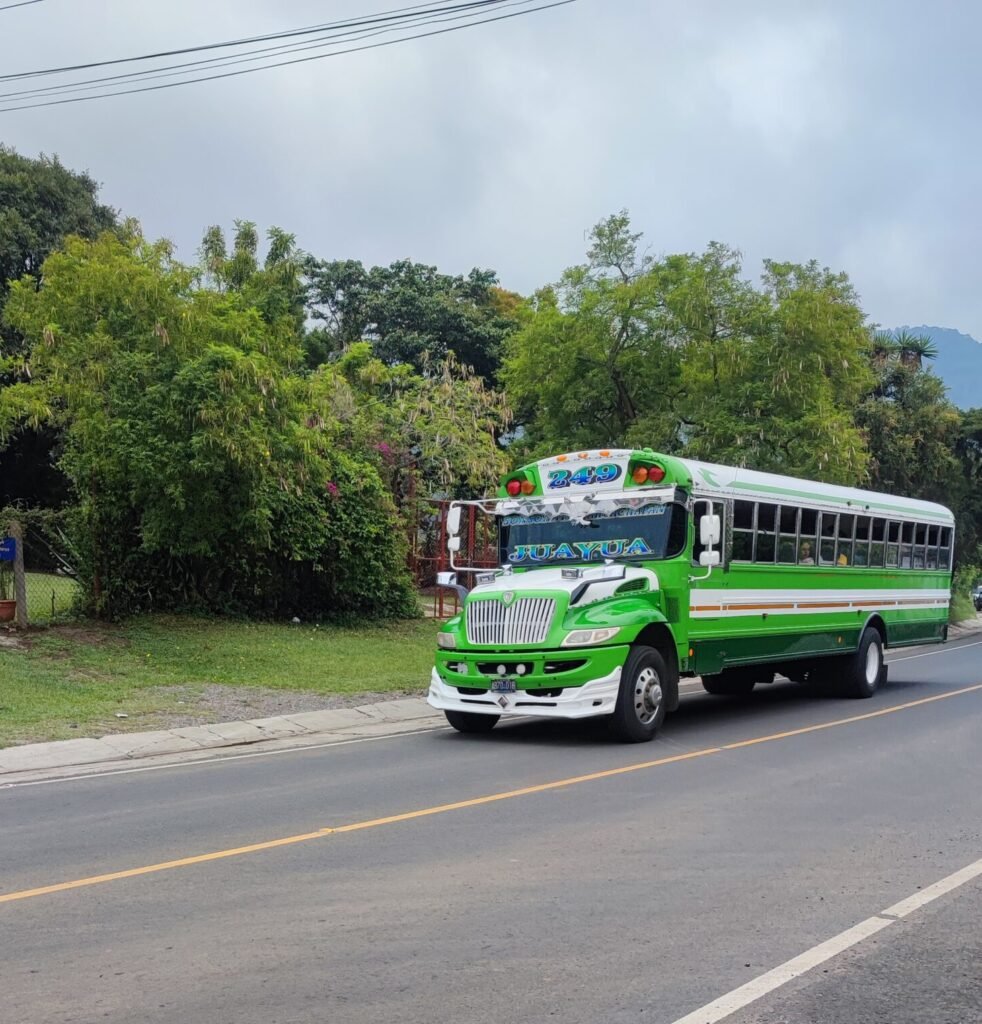
You can travel between the towns by car, but taking the local buses can be an adventure of its own. We decided to use the “chicken buses”, which made the journey slower and bumpier but also gave us a much more local experience.
The region is especially interesting for its coffee, colourful streets, cafés, waterfalls, hiking and adventure activities.
2. Visit Juayúa
Juayúa was our first stop on the Ruta de las Flores.
The town itself didn’t impress us that much, so rather than staying around for too long, we decided to continue exploring the other towns along the route.

That said, Juayúa is surrounded by nature and is known for attractions such as the Siete Cascadas, Laguna de Las Ranas and Portezuelo Park. The town also has cafés, restaurants, craft shops and a popular food festival on weekends.
If you enjoy waterfalls and outdoor activities, Juayúa is worth including in your itinerary even if the town itself isn’t your main attraction.
3. Spend Some Time in Apaneca
Apaneca is a small mountain village located high in the Ruta de las Flores.
We arrived during heavy rain, so unfortunately we couldn’t experience it at its best. We escaped into the first café we found and waited for the rain to calm down before heading back to our hotel.
Apaneca is known for its cool mountain climate, coffee and outdoor activities. The surrounding area offers hiking, canopy tours, buggy rides and other adventures.
4. Visit Ataco
Ataco was probably our favourite of the small towns we visited along the Ruta de las Flores.

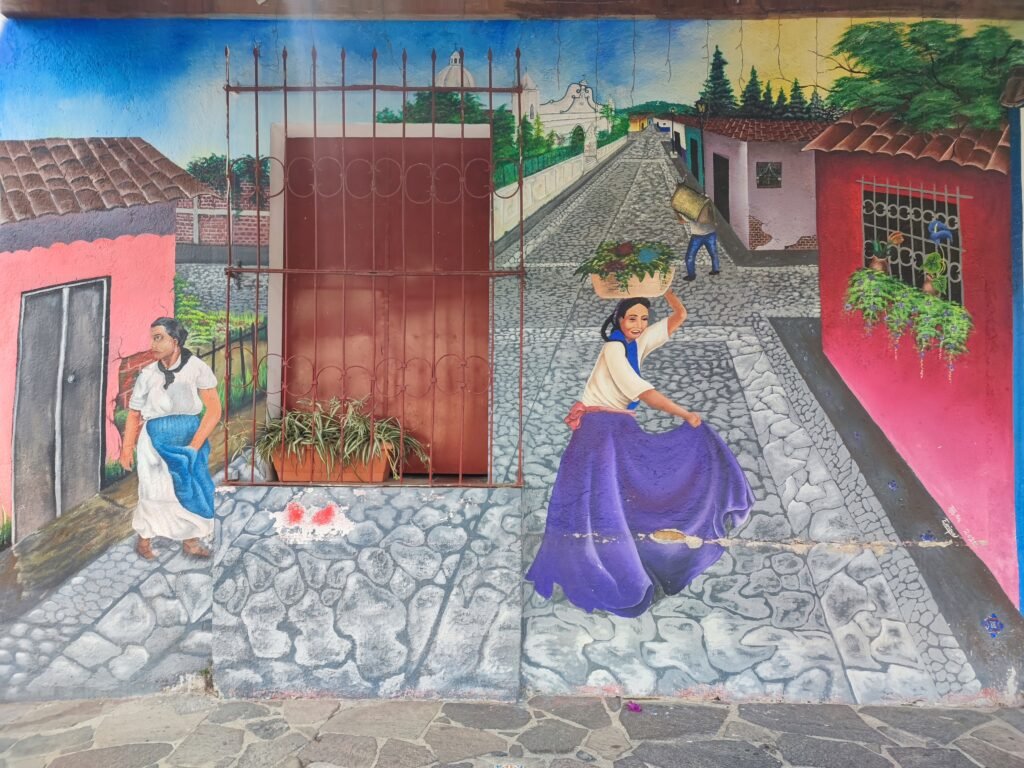
The town is known for its cobblestone streets, colourful murals, cafés, crafts and mountain atmosphere. We were again surprised by how few tourists we encountered during our visit, which made the town feel quite different from some of the more established tourist destinations we had visited in Mexico and Guatemala.
Ataco is also a good place to explore coffee plantations, viewpoints and local art.
5. Explore the Laberinto de Albania
One of our favourite stops around Apaneca was Laberinto de Albania, a large plant labyrinth and adventure park.
We spent more than half an hour trying to find our way through the maze. After finally making it out, we rewarded ourselves with a smoothie.
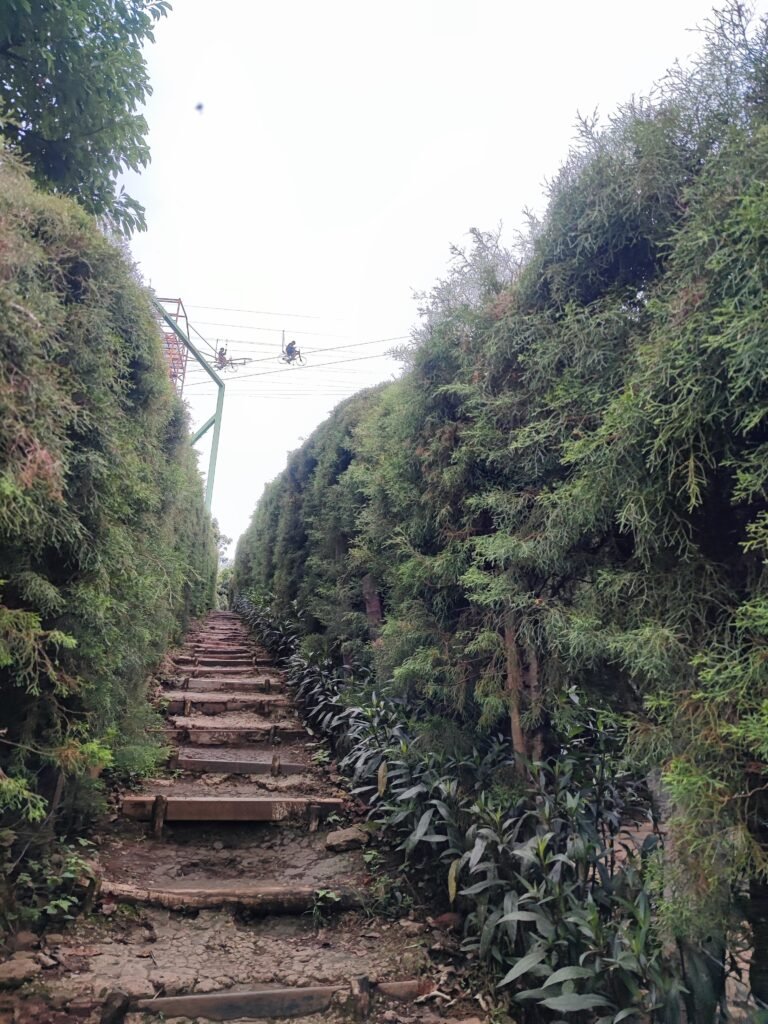
The area also offers activities such as zip lining and other outdoor adventures, making it a good stop if you want something more active than simply walking around the villages.
6. Discover El Salvador’s Coffee Region
The mountains around the Ruta de las Flores are one of El Salvador’s important coffee-growing regions.
Even if you’re not a serious coffee enthusiast, stopping at a local café and enjoying a cup of Salvadorian coffee is an easy way to experience the region.
If you have more time, you can also visit coffee plantations and join coffee tours around Ataco and Apaneca.
7. Explore San Salvador
San Salvador is the country’s capital and largest city.
We spent a day exploring the city centre and visiting a few shopping centres. To be completely honest, we didn’t find the city particularly exciting compared with some of the other places we had visited during our trip.
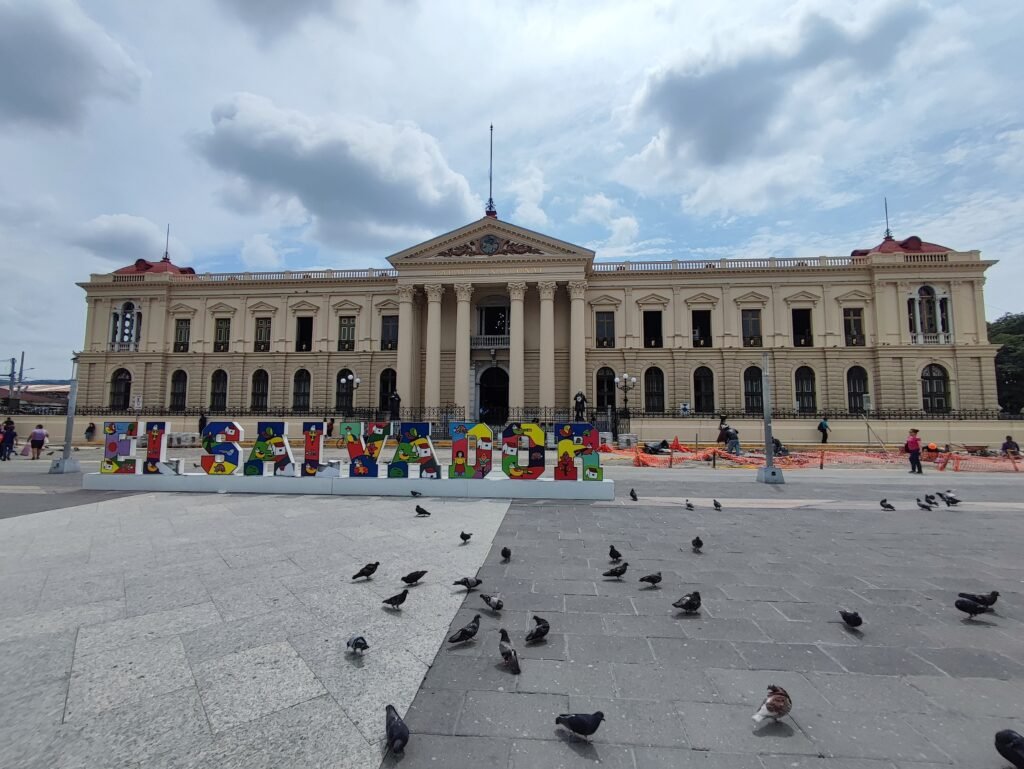
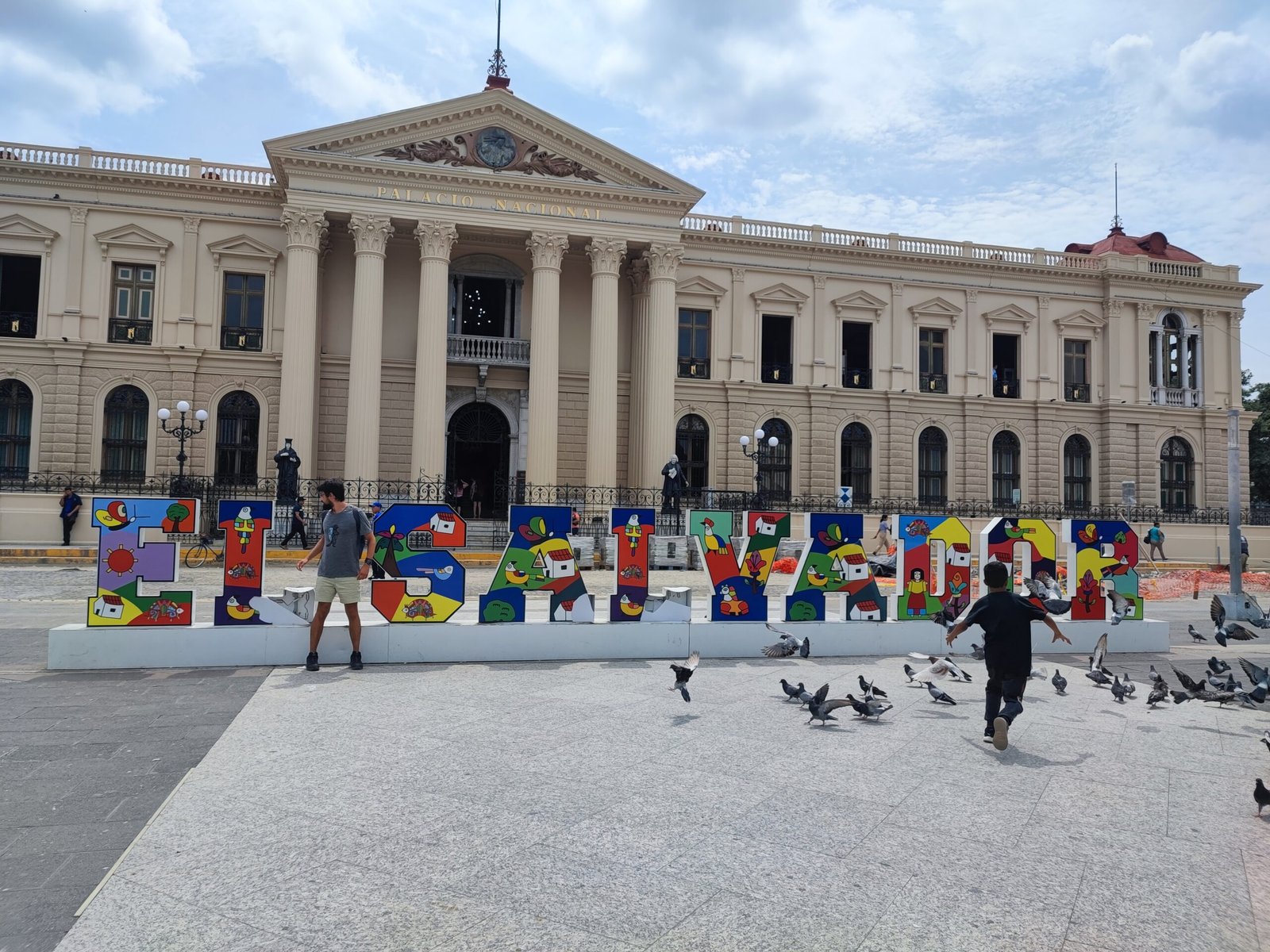
However, San Salvador’s historic centre does have several important sights, including the Metropolitan Cathedral, National Palace and National Theatre. The city is also a practical base for exploring other parts of the country.
8. Go Surfing in El Tunco
If you’re interested in surfing, El Tunco is one of the places you should consider visiting in El Salvador.
The small coastal town has become one of the country’s most famous surfing destinations and has a relaxed, international atmosphere. You can rent surfboards, take lessons and use El Tunco as a base for exploring other beaches along the coast.
We didn’t make it to El Tunco during this trip, but it is probably one of the places we would add to a future El Salvador itinerary.
9. Hike Santa Ana Volcano
One of the best outdoor experiences in El Salvador is hiking Santa Ana Volcano, also known as Ilamatepec. The volcano is the highest in the country and is famous for its impressive crater lake, with striking turquoise-green water at the bottom.
The hike takes you through volcanic landscapes with beautiful views of the surrounding mountains and Lake Coatepeque. It is a great option if you enjoy hiking and want to experience one of El Salvador’s most spectacular natural attractions.
The weather can change quickly at the summit, so bring enough water, sun protection and a light jacket. It is also worth checking the current access conditions and local guide requirements before heading there.
10. Experience El Salvador by Local Bus
One of our favourite experiences wasn’t actually a specific attraction.
It was travelling between the towns by local bus.
The chicken buses are often old American school buses, and the journeys can be crowded, noisy and bumpy. They are certainly not the fastest way to travel, but they gave us a very different experience from travelling by tourist shuttle or private car.
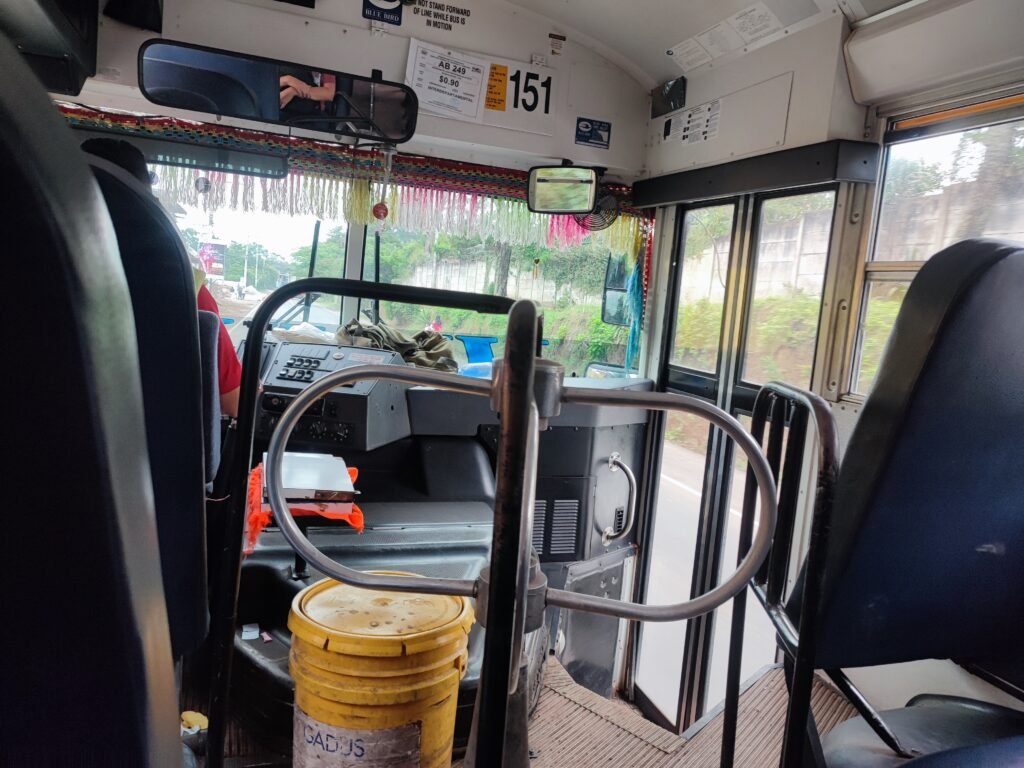
For us, travelling through the Ruta de las Flores this way became part of the adventure.
Tours and Experiences
If you want to book tours, activities or unique experiences during your trip, GetYourGuide is worth checking. You can find everything from guided tours and day trips to hiking, outdoor activities, cultural experiences and surfing-related activities.
Where to Stay in El Salvador
El Salvador is still less developed for international tourism than some neighbouring countries, although destinations such as El Tunco have a much more established tourist infrastructure.
Around the Ruta de las Flores, you’ll find hotels, guesthouses and small resorts, although some of the nicer properties are located outside the towns and are easier to reach by car.
In San Salvador, there are more accommodation options, from budget hotels to international and higher-end properties.
If you are travelling without a car, we recommend staying somewhere central so you can easily access restaurants, shops and public transportation.
For accommodation, we usually check Booking.com and Airbnb to compare different options in the destination.
Accommodation Prices
Accommodation prices in El Salvador can vary considerably depending on the destination and season.
As a general guide, you can expect:
Budget: around US$20–40 per night for simple hotels, hostels or guesthouses
Mid-range: around US$40–80 per night for comfortable hotels and guesthouses
Higher-end: US$80+ per night for boutique hotels, resorts and more upscale properties
Prices can be considerably higher in popular beach destinations such as El Tunco, especially during weekends and peak travel periods.
What to Eat and Drink in El Salvador
The traditional food you will probably hear about most often in El Salvador is pupusas.
Pupusas are thick corn or rice-flour flatbreads filled with ingredients such as cheese, beans, pork or a combination of fillings. They are usually served with curtido, a lightly fermented cabbage slaw, and tomato sauce.
Unfortunately, somehow we managed to travel through El Salvador without properly trying them!
Compared with Mexico, we didn’t find the food in El Salvador particularly exciting. During our trip, we ended up eating pizza and burgers several times, especially when we were tired after long bus journeys.
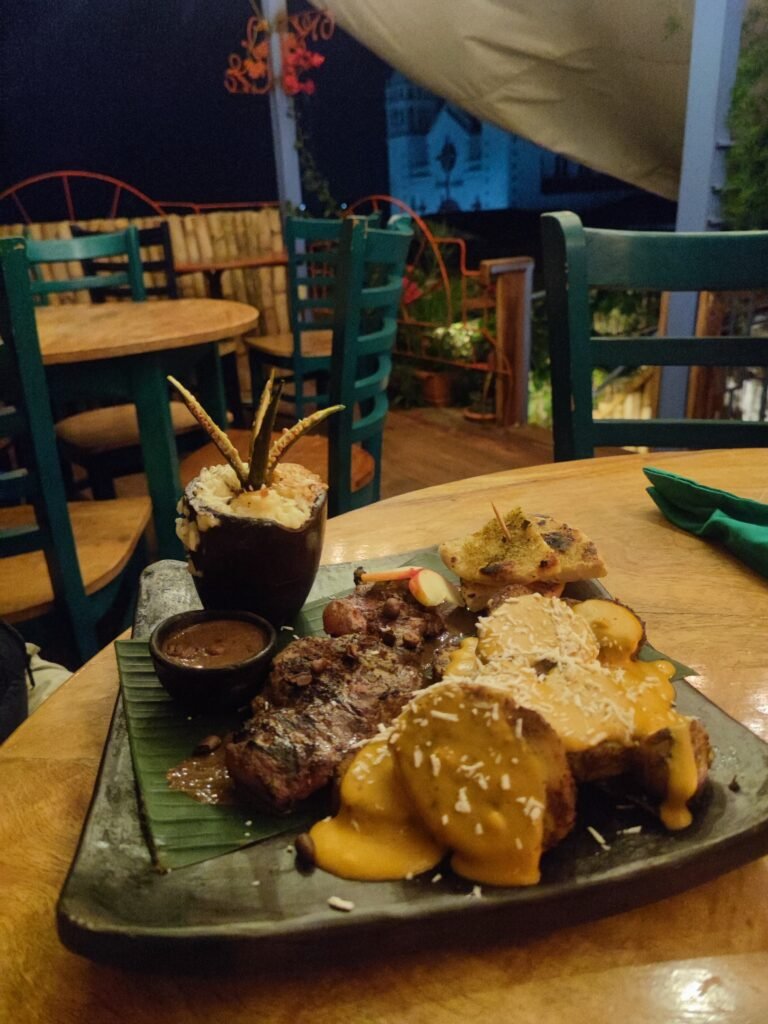
If you want to experience more of the local cuisine than we did, the Ruta de las Flores is a good place to look for traditional Salvadorian food and local cafés. Juayúa is particularly known for its food scene and weekend food festival.
Transportation and How to Get Around El Salvador
Getting to El Salvador from Guatemala
We travelled from Guatemala to El Salvador by bus early in the morning.
The journey itself was surprisingly comfortable. The bus had comfortable seats and snacks and drinks were provided.
After around three hours, we reached the border and had to get off the bus to have our passports checked and stamped.
You can check out busbud or arrange for a by shuttle bus.
Travelling by Chicken Bus
Chicken buses are one of the cheapest ways to travel around El Salvador and can be particularly useful along the Ruta de las Flores.
We used them to travel between the different towns and found the experience quite fun.
They are not necessarily the most comfortable option, especially if the bus is crowded, but if you have enough time and want to experience local transportation, they are definitely part of the adventure.
Renting a Car
A rental car is probably the easiest option if you want to explore several different parts of El Salvador in a limited amount of time.
It gives you much more flexibility when visiting the Ruta de las Flores, coffee plantations, waterfalls and beaches.
From our experience, the main roads were generally well maintained, although traffic could significantly increase travel times.
Uber and Taxis
We also used Uber during our trip, particularly when arriving somewhere by bus and needing to reach our accommodation.
This was useful in places where the bus dropped us outside the centre or where we didn’t want to continue with local public transportation.
Money, Payments and Cards in El Salvador
El Salvador uses the US dollar (USD) as its official currency and also accepts Bitcoin. Cards are accepted in many hotels, restaurants and larger businesses, but it is still useful to carry some cash for smaller shops, local buses and other everyday purchases. ATM was not very easy to find.
For travelling in El Salvador, we recommend having a travel-friendly card such as Revolut or Wise, especially if you want to pay in pesos while keeping track of your spending.
Tipping is common in restaurants and bars, with around 10% generally considered appropriate. Some establishments may already include a service charge, so check your bill before adding anything extra.
Travel Safety & Essentials in El Salvador
A little preparation can make travelling easier and give you some extra peace of mind. Here are some travel essentials worth considering before your trip.
Phone, Internet and SIM Card
The most convenient way to stay connected is through an e-sim. We typically use Airalo or Holafly, depending on our need for Data at a specific country or location. Alternatively you can also check out Saily or Ubigi. If you do not want to use an eSIM, you can buy a local SIM card after arriving.
Travel Insurance
Before travelling, it is worth checking your travel insurance options and making sure the policy covers the activities you plan to do. World Nomads offers travel insurance for travelers and different types of trips and activities. Always check the current policy wording, coverage limits and exclusions before purchasing.
Protect Your Belongings
For extra security when travelling, Pacsafe offers anti-theft backpacks, bags and travel accessories that can be useful when staying in hostels or travelling by bus and other public transport.
Choose a Good Backpack
For longer trips, a comfortable backpack can make a big difference. Osprey offers a wide range of travel and hiking backpacks, from smaller daypacks to larger packs designed for longer trips.
Protect Your Cards
If you carry several cards while travelling, an RFID-blocking wallet, like mywalit, can be a useful extra precaution. It also keeps your cards, cash and travel documents organized while you’re on the move.
Use a VPN and a Password Manager
A VPN can be useful when connecting to public Wi-Fi in airports, hotels, cafés or other shared networks. NordVPN is one option to consider if you want an additional layer of privacy while travelling. They also offer a password manager that can help you securely store and manage your passwords while on the road.
Safety
We were surprised by how safe we felt in many situations during our trip through El Salvador. We also found Salvadorians to be very friendly and welcoming. One of the most dangerous countries has turned to the safest in Latin America and you feel that.
However, we still recommend using common sense, especially when travelling between cities, walking around unfamiliar areas and travelling after dark.
During our trip, we often avoided walking around after dark and preferred to use a taxi or Uber when we needed to go somewhere in the evening.
Current travel guidance also recommends avoiding intercity travel at night because of road conditions, hilly terrain, possible landslides during the rainy season and limited street lighting.
Finally you might notice many shops and buildings being protected by security with guns. This is quite common across Latin America.
Travel Tips for El Salvador
- Use local buses for the Ruta de las Flores. They are slower but make the journey much more interesting.
- Allow extra time for road journeys. Traffic and road construction can significantly increase travel times.
- Carry some cash. Local buses and smaller businesses may not accept cards.
- Consider renting a car. It gives you much more flexibility if you want to explore several regions.
- Don’t underestimate the weather. The mountain towns can be much cooler and wetter than the coast.
- Bring something for rain. We learned this one the hard way in Apaneca.
- Plan your evening transportation. We preferred not to walk around unfamiliar areas late at night.
- Try pupusas. Unlike us, don’t somehow manage to travel through El Salvador without eating the country’s most famous food!
- Don’t rush the Ruta de las Flores. The small towns are close together, but you’ll enjoy the area more if you have enough time to stop, drink coffee and explore.
Final Thoughts – Is El Salvador Worth Visiting?
El Salvador surprised us.
We entered the country after two months of travelling and were ready to become a little more adventurous. Travelling by chicken bus, crossing the border by land and moving between small mountain towns gave us exactly the kind of experiences we were looking for.
For us, the Ruta de las Flores was the highlight. Apaneca, Ataco, the local buses, coffee, the Laberinto de Albania and the mountain scenery made this part of the trip memorable.
We were also surprised by how friendly Salvadorians were and by how safe we felt in many situations.
At the same time, not every destination impressed us. San Salvador didn’t have much that we personally found worth writing home about, and La Unión was probably the least exciting stop of our trip. We couldn’t even find a café where we wanted to spend a few hours escaping the heat!
Would we return? Probably, but we would focus more on the Ruta de las Flores, the mountains and the Pacific coast rather than spending too much time in the places that didn’t really click with us.
Save This El Salvador Travel Guide for Later! As one picture equals a thousand words, visit our [Instagram] for more images from El Salvador.
Our Diary
Day 1 – Crossing the Border and Reaching the Ruta de las Flores
After two months of travelling, we finally felt comfortable enough to become a little more adventurous and decided to take the bus from Guatemala to El Salvador early in the morning.
The bus ride itself was a very pleasant experience. The seats were comfortable, and snacks and drinks were provided, which made the journey much easier than we expected.
After approximately three hours, we reached the border. Everyone had to get off the bus and have their passports checked and stamped.
Apparently, my passport looked suspicious enough to require some additional attention. The police officer took it away for a further check while I waited and watched everyone else continue with the process.
Eventually, everything was fine and I got my passport back. We could finally continue our journey.
The bus eventually dropped us at a gas station outside Santa Ana, where we ordered an Uber and continued towards Juayúa, one of the towns along the famous Ruta de las Flores.
Juayúa itself didn’t seem particularly interesting to us, so rather than staying there for too long, we decided to take a chicken bus and explore some of the other towns.
We headed south towards Sonsonate. It wasn’t exactly the most beautiful stop of our trip, but the bumpy bus ride towards Apaneca made the journey memorable.
Apaneca is a small mountain village with a few cafés and a relaxed atmosphere. Unfortunately, it started raining heavily almost as soon as we arrived.
We quickly escaped into the first café we could find and waited for the rain to stop before heading back to our hotel.
In the evening, we went to a local but slightly fancy restaurant for dinner. It was already dark when we finished, and since we seemed to be the only tourists around, we decided not to hang around and quickly made our way back to the hotel.
Day 2 – Ataco and the Laberinto de Albania
The next day, we took the bus to Ataco.
Ataco was quite beautiful, with its colourful streets and small-town atmosphere. Again, however, we were among very few tourists, which made the experience feel slightly strange after spending so much time in more touristy parts of Mexico and Guatemala.
On the way back, we stopped again in Apaneca and visited the Albania park.
The highlight was the large plant labyrinth. We spent more than half an hour trying to find our way through it, which was much more difficult than we expected.
After finally escaping, we rewarded ourselves with a smoothie.
Later, we checked out of our accommodation and took the bus back to Sonsonate. From there, we planned to take an Uber to our hotel in San Salvador.
Everything went according to plan, only with some differences in the details.
Due to road construction, our driving time doubled. We were stuck between large cars and trucks, without air conditioning, and the journey became considerably more exhausting than expected.
Eventually, we made it to our hotel.
Day 3 – San Salvador
In the evening, we were finally in San Salvador.
Although we were staying in one of the better areas of the city, we didn’t feel particularly comfortable wandering around at night. We basically counted our steps to the nearest restaurant, where we devoured a burger before quickly heading back to the hotel.
The next day, we explored the city and visited the centre and a few shopping centres.
To be honest, we didn’t find much that was particularly memorable for us.

Perhaps we simply arrived with the wrong expectations, but after all the colourful towns, beaches and landscapes we had experienced elsewhere during our trip, San Salvador didn’t really stand out.
Still, it was interesting to see another side of El Salvador and experience the country’s capital.
Day 4 – La Unión
On our final day in the country, we took the bus and then an Uber towards La Unión.
Again, this was more of a practical stop for us than a destination we particularly enjoyed.
It was hot, and we struggled to find even a café where we could sit for a while and escape the heat.

Our room wasn’t particularly inviting either, so spending the whole day there wasn’t really an option.
Instead, we wandered around as much as we could and waited for the next part of our journey.
The following day, we were supposed to take a boat towards Nicaragua.
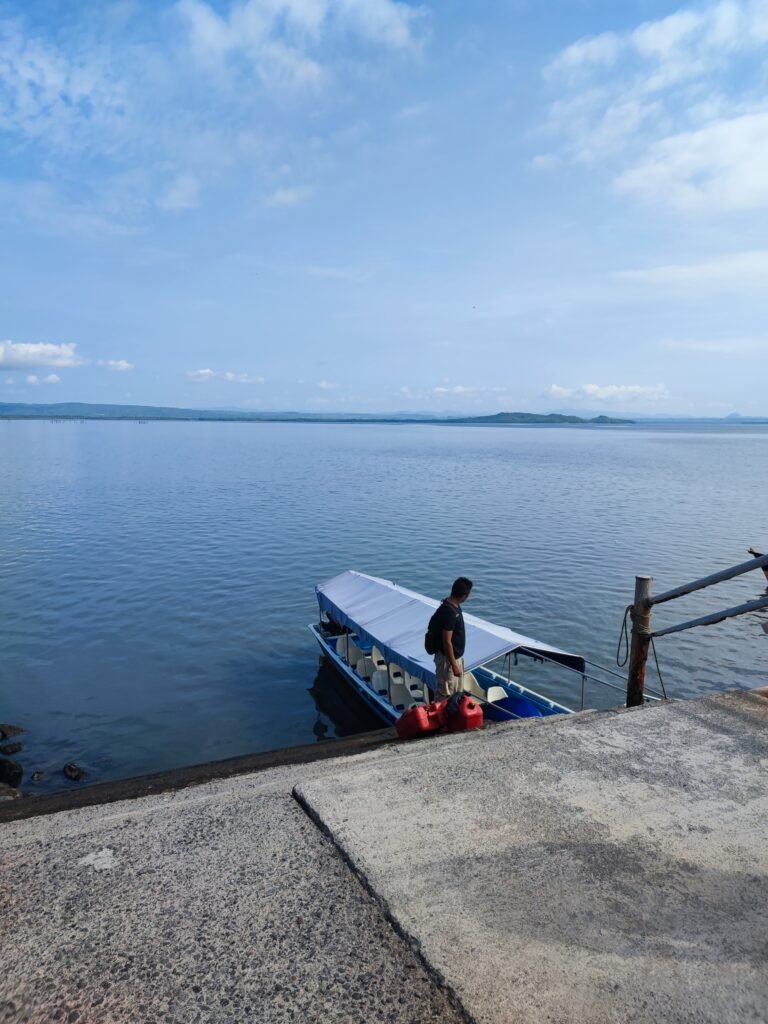
We had already been planning this part of the trip for several days because of the administrative requirements involved in entering Nicaragua.
At this point, we were excited to see how everything would actually work out.